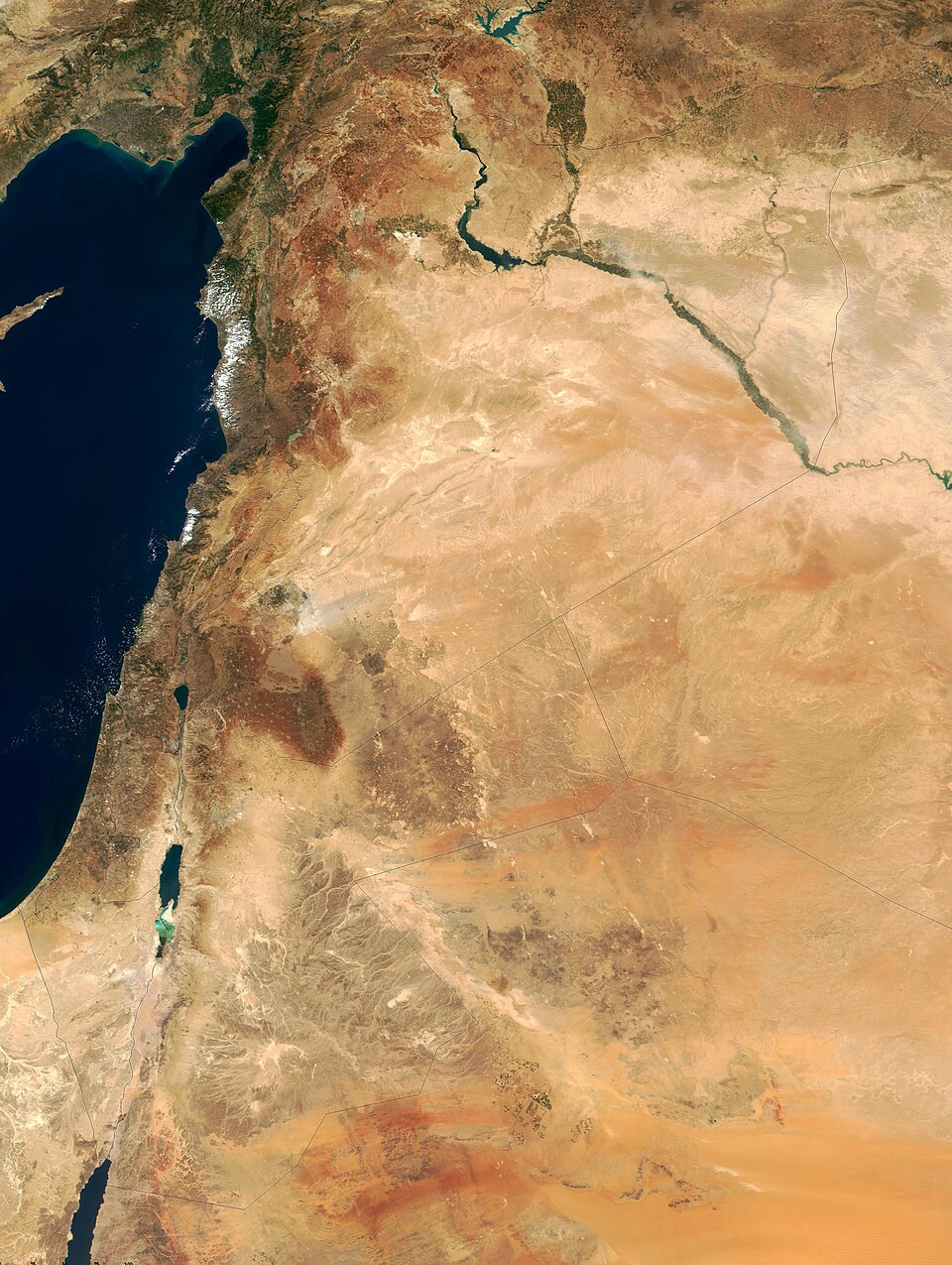
Fieldwork in biblical archaeology over the past two centuries has shown that archaeological excavations confirm that biblical accounts took place in real geographical locations. Numerous cities, pools, and mountains described in both the Old and New Testaments remain preserved and open to the public.
Located in the City of David south of Jerusalem's Old City walls, the Pool of Siloam was the setting for the miracle recorded in John 9:7. Jesus sent a man born blind to wash his eyes in its waters, resulting in his immediate healing.
Excavations conducted in 2004 by Israeli archaeologists uncovered the stone steps of the large Second Temple period reservoir. Visitors can walk alongside the original stone architecture that served as a water collection site and ritual bath in first-century Jerusalem.
Situated on the northwestern shore of the Sea of Galilee, Capernaum is identified in Matthew 4:13 as the town where Jesus made His home during His Galilean ministry. The location served as a hub for preaching and miracles after He left Nazareth.
The site features the ruins of a fourth-century AD white limestone synagogue built directly over the black basalt foundations of the first-century synagogue. A few yards away, excavations revealed an octagonal structure that historical tradition and archaeology link to the house of the apostle Peter.
Located in the Jezreel Valley of northern Israel, Megiddo occupied a strategic position controlling ancient trade routes. The city is cited in 1 Kings 9:15 as one of the fortified cities built by King Solomon and appears in Revelation 16:16 under the name Armageddon.
The tell of Megiddo contains over 20 superimposed layers of civilizations destroyed and rebuilt. The national park showcases Iron Age stables, underground water systems built with ancient engineering, and monumental city gates from the era of Israel's kings.
Situated in the Jordan Valley, Jericho is recorded in Joshua 6:20 during the entry of the Israelites into the Promised Land. The city is considered one of the oldest continuously inhabited cities in the world and lies near the Jordan River.
The archaeological site of Tell es-Sultan preserves stone walls, Bronze Age towers, and structural remains destroyed across millennia. Visitors can observe excavation trenches opened by archaeologists documenting the collapse of ancient urban defenses.
Located in the desert bluffs above the Dead Sea, Qumran housed a Jewish community during the Second Temple period. The area gained global attention when Bedouin shepherds discovered jars containing ancient scrolls in nearby caves.
It was at Qumran where the Dead Sea Scrolls were discovered in 1947, containing the oldest known copies of Old Testament books, including the complete scroll of the prophet Isaiah. The archaeological site displays ritual baths, scribal rooms, and the openings of the original caves.
Located on the western coast of modern Turkey, Ephesus was a major metropolis of the Roman Empire. The apostle Paul lived and worked in the city for over two years, as recorded in Acts 19:29 and Ephesians 1:1.
The preserved ruins include the Library of Celsus, the Arcadian Way, and the great Roman theater where the riot of the silversmiths occurred led by Demetrius against apostolic preaching. The site is open to public visitors as an extensive Greco-Roman ruin complex.
Located in modern Jordan, Mount Nebo is identified in Deuteronomy 34:1 as the point where Moses viewed the Promised Land before his death. The mountain rises roughly 2,600 feet above sea level, offering a sweeping view of the Jordan Valley and Jericho.
At the mountain peak, visitors find a memorial sanctuary and ruins of a Fourth Century AD basilica. The complex houses well-preserved mosaics from the Byzantine era and an observation deck overlooking the hills of Jerusalem.
Bethsaida was a fishing village on the shores of the Sea of Galilee, named in John 1:44 as the hometown of the apostles Peter, Andrew, and Philip. Jesus performed several miracles in the area, as recorded in Matthew 11:21.
Excavations at the site of Et-Tell have uncovered fishing homes, bronze fishhooks, net weights, and fortified city gates dating to Old and New Testament periods. The archaeological park is open to visitors in northern Israel.
Situated on the isthmus connecting mainland Greece to the Peloponnese peninsula, Corinth was a Roman commercial center. The apostle Paul founded the local church and stayed in the city for 18 months, according to Acts 18:1 and 1 Corinthians 1:2.
The archaeological site of Ancient Corinth preserves the stone judgment seat (Bema) where Paul was brought before the proconsul Gallio. The site also houses the Temple of Apollo, paved stone streets, and a museum with Roman-era inscriptions.
Patmos is a small Greek island in the Aegean Sea, recorded in Revelation 1:9 as the place of exile for the apostle John. On this island, the last surviving apostle received the prophetic visions recorded in the Book of Revelation.
Visitors can enter the Cave of the Apocalypse, located on the hillside between the port and the village of Chora. At the top of the island, the Monastery of Saint John the Theologian, founded in the 11th century AD, houses a collection of manuscripts and historic artifacts.
The Herald covers what almost no one else does: the persecuted church, the discovery that confirms the Bible, the faith that never makes the evening news. No subscription, no paywall, no outside advertisers. If this story mattered to you, help the next one get written.