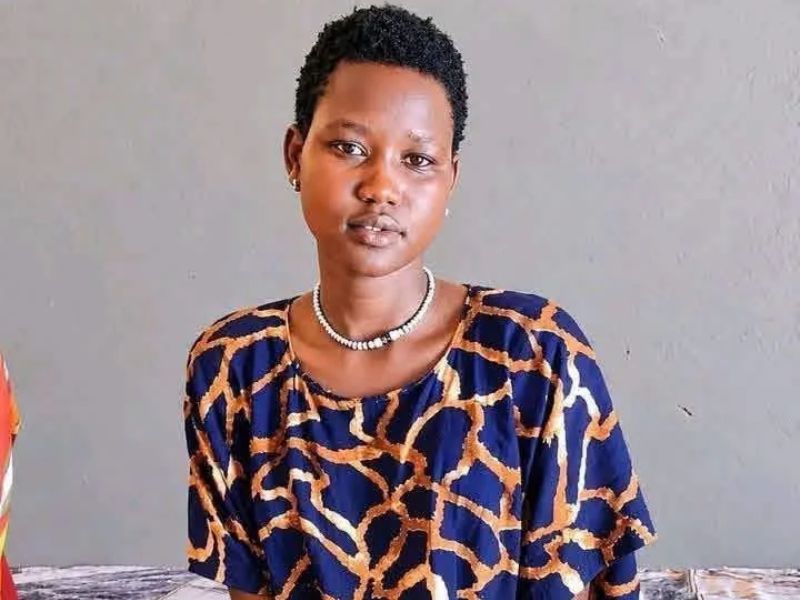
On November 6, Ajak Mabior, 18, was beaten to death in Jonglei state, South Sudan, after refusing to marry an older Muslim man. The young Christian woman opposed the arranged marriage due to her faith and her unwillingness to be forced into the union.
After attempting to escape the arrangement, Mabior was attacked and killed by her own brother and cousin. The incident took place in Jonglei state and sparked widespread concern among local Christian congregations.
Days after the murder, police in Bor arrested Mabior’s brother and cousin but released them without charges following family demands. Family members argued to law enforcement that there was no legal case to pursue because the suspects were relatives.
Local sources reported that the police released the men without the consent of the Jonglei State Caretaker Commissioner. The decision by local authorities raised questions regarding law enforcement's commitment to protecting vulnerable citizens.
The conflict between faith and cultural tradition
Church leaders in South Sudan report that Christian girls face severe pressure when their religious convictions collide with tribal and family traditions. Local Christian leaders warn that young women face rejection, threats, and violence when standing for their faith against family pressure.
A local pastor told International Christian Concern that releasing the suspects signals that tradition overrides formal law. He cited scripture regarding the dignity of human life. In passages such as Genesis 1:27, the Bible teaches that human life reflects the image of the Creator, a principle cited by local leaders to condemn the killing.
Police in Bor justified the release by pointing out that relatives demanded their freedom and insisted the matter remain an internal family issue. As a result, no formal prosecution was initiated against the two perpetrators.
Religious leaders emphasized that the release of the suspects without trial leaves vulnerable Christian women with no guarantee of state protection to exercise their faith. The absence of legal accountability increases risks for young women refusing forced interfaith unions.
Following the incident, International Christian Concern called for prayer for justice in the case and protection for young Christian women in South Sudan. The organization urged South Sudanese authorities to uphold the rule of law and defend believers.
The Herald covers what almost no one else does: the persecuted church, the discovery that confirms the Bible, the faith that never makes the evening news. No subscription, no paywall, no outside advertisers. If this story mattered to you, help the next one get written.