
2,000-year-old intact ritual baths discovered near Jerusalem's Temple Mount
Complex featuring three purification pools and original vaulted stone ceiling sheds light on Second Temple pilgrims.
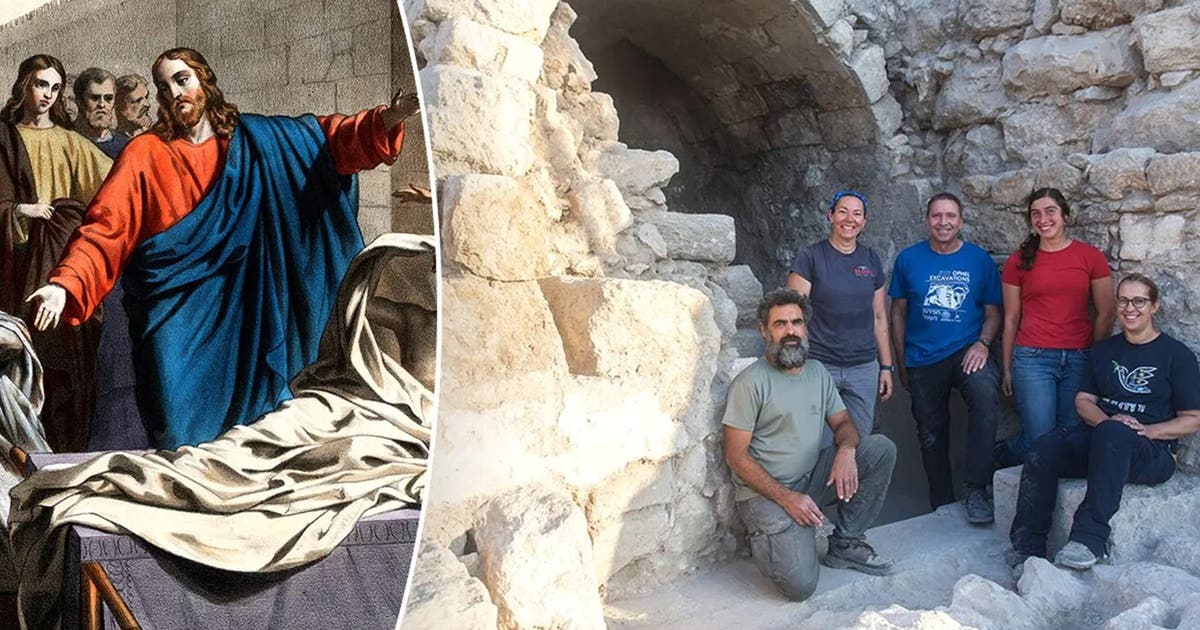
Israeli archaeologists have uncovered a monumental ritual bathing complex with an original vaulted stone ceiling in the Ophel, the area immediately south of the Temple Mount in Jerusalem. Announced by the Hebrew University of Jerusalem, the site dates to the early first century A.D. and served Jewish pilgrims visiting the ancient holy site.
A structure preserved from floor to ceiling
The site features three large ritual baths known as mikvaot, a 12-by-9.5-meter plastered pool with stairs descending from all four sides, and a plaza paved with finely dressed stone slabs. Excavation directors Prof. Uzi Leibner and Prof. Orit Peleg-Barkat noted that finding a Second Temple-period structure preserved from floor to stone vault is an exceptionally rare occurrence in the city. One of the ritual baths stands 4.2 meters high, retaining the original shaft that supplied it with water.
Connection to Jesus' era and New Testament practices
The monumental stone structure sits near the Triple Gate, one of the primary entrances to the Temple Mount used during the time of Jesus. Candida Moss, professor of theology at the University of Birmingham, points out that the widespread use of immersion facilities during this era helps explain the roots of Christian baptism and the ministry of John the Baptist. Moss explains that while the New Testament does not explicitly record Jesus visiting this specific complex, the environment of ritual purification deeply shaped early Christian practices.