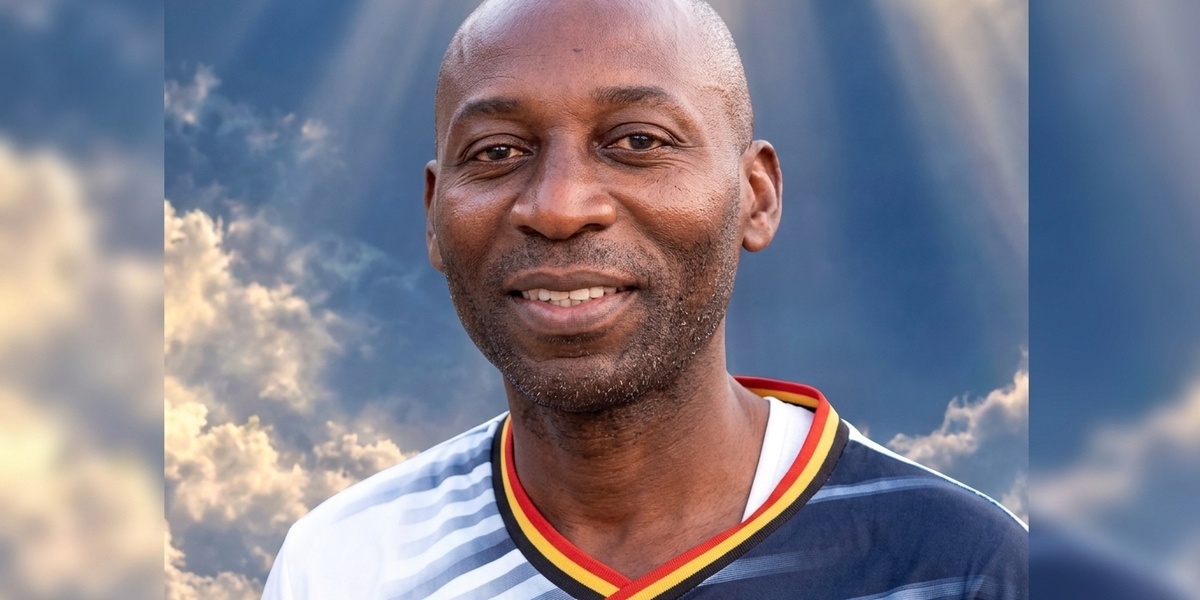
When his phone rang on the night of September 29, Benjamin Kule Mayani, a 45-year-old teacher, answered a phone call on the night of September 29 expecting a routine community request in the Kisinga region of western Uganda. He had spent his day working at a local nursery school and participating in outreach efforts across the area. On the other end of the line, a man identified as Isifu Marjani asked for an urgent meeting near the school where Benjamin taught. Accompanied by his colleague and fellow believer, Pascal Muhindo, the teacher set off for the agreed location, unaware that he was walking into a deadly trap prepared by extremists.
About two kilometers from the school, the pair were abruptly stopped in the dark by three men. According to reports gathered by international media from Anglican Church leaders in Uganda, a group of three Islamic extremists armed with wooden clubs and blunt objects set an ambush specifically targeting Benjamin. The attackers surrounded the two Christians and began an intense interrogation, demanding information regarding the whereabouts of a woman named Sharifa, who was Marjani's sister. The hostile confrontation escalated within minutes, revealing that the meeting had been orchestrated as a religious retaliation.
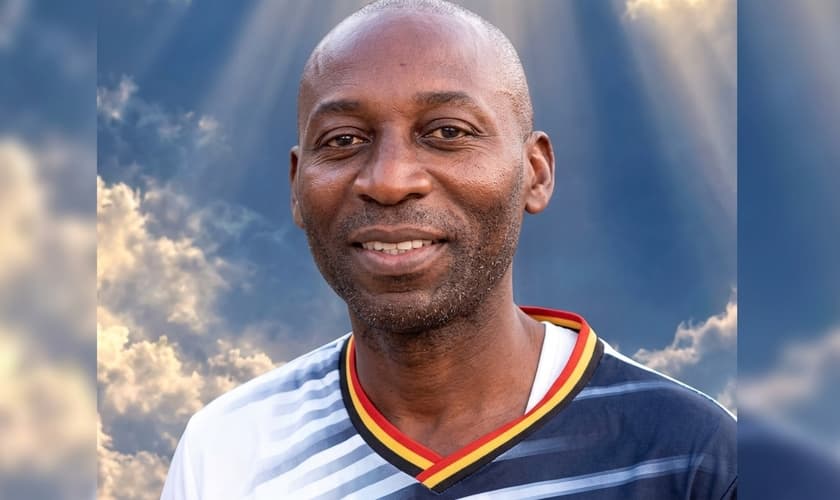
Benjamin Kule Mayani foi morto em uma emboscada. (Foto: Morning Star News). Photo: Guiame
The catalyst for the attackers' fury was the spiritual and humanitarian aid provided by the teacher to new converts in the region. According to news reports from Morning Star News, the motive behind the attack was Benjamin’s decision to open his own home to shelter ex-Muslim converts to Christianity. The sanctuary provided by Benjamin took place in a regional context where converting from Islam to Christianity frequently results in family banishment, physical violence, and death threats from relatives and radical community members.
Among those who had found refuge in Benjamin's house was Sharifa. Prior to the attack, Sharifa had abandoned Islam to follow the Christian faith, finding temporary refuge in the teacher’s residence. Realizing the mounting threats and the imminent risk of violence from the young woman's family, Benjamin acted preemptively and arranged for Sharifa to be moved to a secure location outside the reach of local extremists. The teacher's refusal to disclose her new location triggered the attackers' violent assault on the road.
Unable to extract answers about where his sister was hiding, verbal threats quickly turned into fatal physical aggression. During the confrontation, one of the attackers dealt a violent blow to Benjamin’s forehead with a large wooden club. Faced with the extreme violence and immediate danger, Pascal Muhindo managed to break away from the scene and ran toward nearby homes to call for help. However, when Pascal returned to the spot accompanied by local residents, he found the teacher unconscious a few meters from where he was struck. Benjamin succumbed to severe head trauma caused by the blunt instrument before medical assistance could arrive.
Law enforcement officials from the Kisinga region arrived at the scene to conduct preliminary crime scene investigations. According to statements from local security forces, Kisinga police formally registered the case as murder and launched an investigation to locate and apprehend the three suspects involved in the fatal attack. At present, the assailants remain at large, while religious and civic leaders press authorities for swift justice to ensure the crime does not go unpunished.
The murder of Benjamin Mayani highlights a complex legal and social reality in Uganda. Although the African nation maintains a Christian-majority population, approximately 12 percent of its citizens practice Islam, with higher concentrations in specific eastern and western districts. Legally, Uganda’s Constitution explicitly guarantees the right to practice, preach, and change religion without state interference. Nevertheless, in several rural areas, informal tribal customs and pressure from Islamic radicals impose severe risks and life-threatening dangers on those who leave Islam.
Reports from the international ministry Open Doors show that Christian persecution in Uganda has seen recurring incidents of ambushes, beatings, and property destruction directed against pastors, evangelists, and converts. In the organization's annual assessment, the country ranks 52nd on Open Doors’ World Watch List, standing out as a area of concern in East Africa. Analysts note that providing shelter to former Muslims, as Benjamin did, remains one of the highest-risk activities for Ugandan Christians.
For the local Christian community, Benjamin's actions reflect biblical teachings on protecting and harboring the vulnerable and persecuted. The Epistle to the Hebrews, in chapter 13, verse 2, reminds believers: "Do not forget to show hospitality to strangers, for by so doing some people have shown hospitality to angels without knowing it." Likewise, the passage in John 15:13 resonates in the teacher's memory: "Greater love has no one than this: to lay down one’s life for one’s friends."
As police investigations continue across the Kisinga region, the local community mourns the loss of a nursery school teacher who dedicated his final days to shielding new believers from harm. As the case unfolds in law enforcement channels, residents and believers in Kisinga await the identification and capture of the three suspects, while local churches strengthen safety measures and support networks to protect former Muslims who remain under threat for their faith.
The Herald covers what almost no one else does: the persecuted church, the discovery that confirms the Bible, the faith that never makes the evening news. No subscription, no paywall, no outside advertisers. If this story mattered to you, help the next one get written.