French Bishops Direct Catholic Hospitals to Amend Charters to Block Euthanasia Law
With assisted dying set to take effect in January 2027, prelates demand legal safeguards following Belgium's precedent.
Mercy Herald staff3 min read
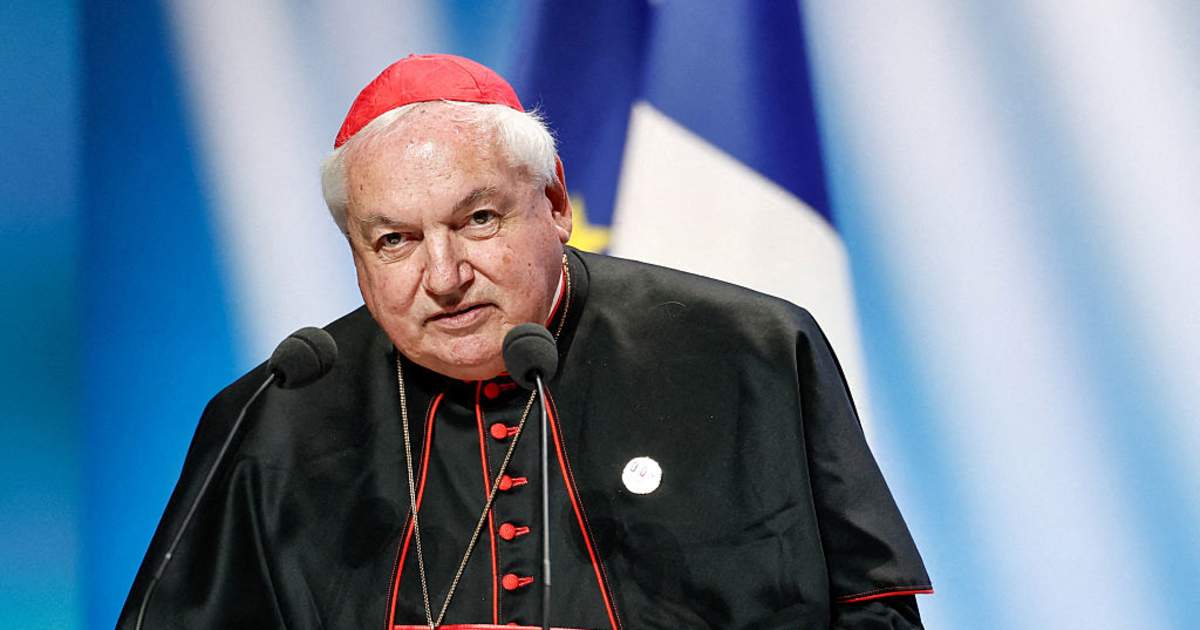
Cardinal Jean-Marc Aveline, president of the French Bishops’ Conference, speaks in Metz, France, during Pope Leo XIV’s visit on Sept. 28, 2026. | Credit: Benoit Tessier/AFP via Getty Images Photo: EWTN News
Concluding their autumn plenary assembly in Lourdes, France's Catholic bishops issued direct guidance to managers of healthcare institutions and nursing homes run by the Church. In a letter released on November 8, 2026, the Bishops' Conference of France instructed institutions to update their charters and internal regulations urgently to secure the right to refuse euthanasia before the new legislation takes effect.
The law on so-called aid in dying is scheduled to come into force in January 2027. The National Assembly passed the bill on July 15 after the Senate rejected the text three times. The French government invoked Article 45 of the Constitution to bypass upper house opposition and enact the legislation.
On August 14, the Constitutional Council upheld the law while attaching three interpretive reservations. One of these legal protections recognized the right of healthcare institutions not to provide assisted dying if contrary to their mission or founding statutes. The bishops urged Church healthcare providers to solidify this legal defense without delay.
The Belgian Precedent and Institutional Autonomy
The concern among French prelates draws directly from recent events in neighboring Belgium. In their letter to hospital administrators, the bishops noted that Belgium repealed the institutional exemption clause from its euthanasia law in 2020. At the time, the Belgian Parliament stripped faith-based hospitals of the right to decline the procedure, claiming the exemption had been poorly managed.
"This point must therefore be handled with rigor and competence," the French bishops wrote. To prevent the legal protection from being overturned in the future due to administrative oversights, the bishops' conference hired legal experts to assist each facility with its bylaws.
The Catholic Church's stance contrasts sharply with government attempts to frame end-of-life termination as standard healthcare. Archbishop Vincent Jordy of Tours, vice president of the conference, warned before the vote that societal changes framed as progress do not always benefit human dignity long term.
The mandate to healthcare institutions reflects statements made by Pope Leo XIV during his visit to France in September 2026. Speaking in Lourdes, the pontiff reiterated the Church's firm opposition to assisted suicide, calling the practice a form of false compassion.
"It is impossible to consider giving death as normal. What is legal is not necessarily moral," the pope told the bishops. This teaching rests on the biblical view of the sanctity of human life expressed in passages like Psalms 139:13-16, which describes every individual as intentionally created by God.
To help medical staff navigate practical challenges, the Bishops' Conference of France announced it will publish a comprehensive doctrinal and pastoral document for healthcare facility managers and caregivers in 2027. The document will provide moral guidance for doctors, nurses, and chaplains during the legal transition.
Next Steps for Healthcare Facilities
The bishops clarified that until the pastoral guidance arrives in 2027, the conference's legal team will address inquiries from hospital networks individually. Final administrative steps depend on government implementation decrees expected in the coming months.
The November episcopal assembly also outlined plans for the Church's presence during France's 2027 presidential election campaign. Cardinal Jean-Marc Aveline, Archbishop of Marseille and conference president, emphasized that French society requires respectful dialogue and deep justice following recent national tensions.
Catholic hospitals in France remain committed to the defense of the sanctity of human life from conception to its natural end. Church leaders confirmed they will continue expanding palliative care services and supporting families while rejecting any involvement in ending patient lives.
The Herald covers what almost no one else does: the persecuted church, the discovery that confirms the Bible, the faith that never makes the evening news. No subscription, no paywall, no outside advertisers. If this story mattered to you, help the next one get written.