On Saturday afternoon, November 7, 2026, an armed attack disrupted the routine in Kraków's historic center. A man wearing tactical gear and a helmet drove a Subaru vehicle into the central plaza and opened fire on pedestrians with a semi-automatic carbine. In the attack, six people died in Kraków's Main Market Square and 16 others were injured, including two police officers. Before heading to the square, the attacker shot and killed his own parents and sister at the family residence in Ostrowiec Świętokrzyski. Police shot the suspect near the intersection of Dietla and Stradomska streets, taking him to the hospital in critical condition.
Police identified the gunman as 24-year-old Michał Oksiński, a lathe operator with no criminal record or military service. The weapon used belonged to his father's legal collection of sport shooting firearms. Poland's National Prosecutor's Office is investigating the attack as a terrorist offense.
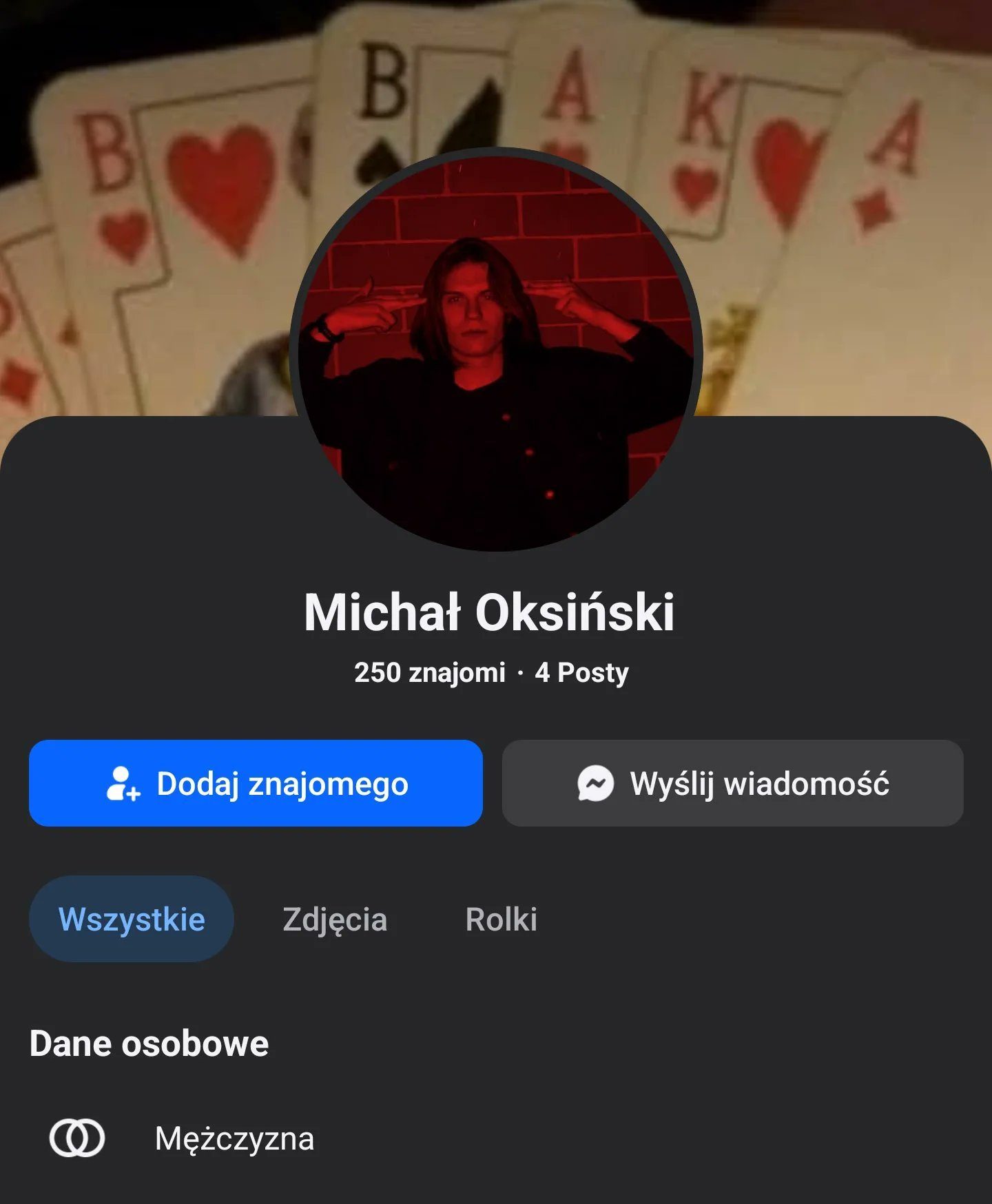
Screenshot of the Facebook profile of the terrorist Michał Oksiński. Photo: via X
Official Accusations and Missing Evidence
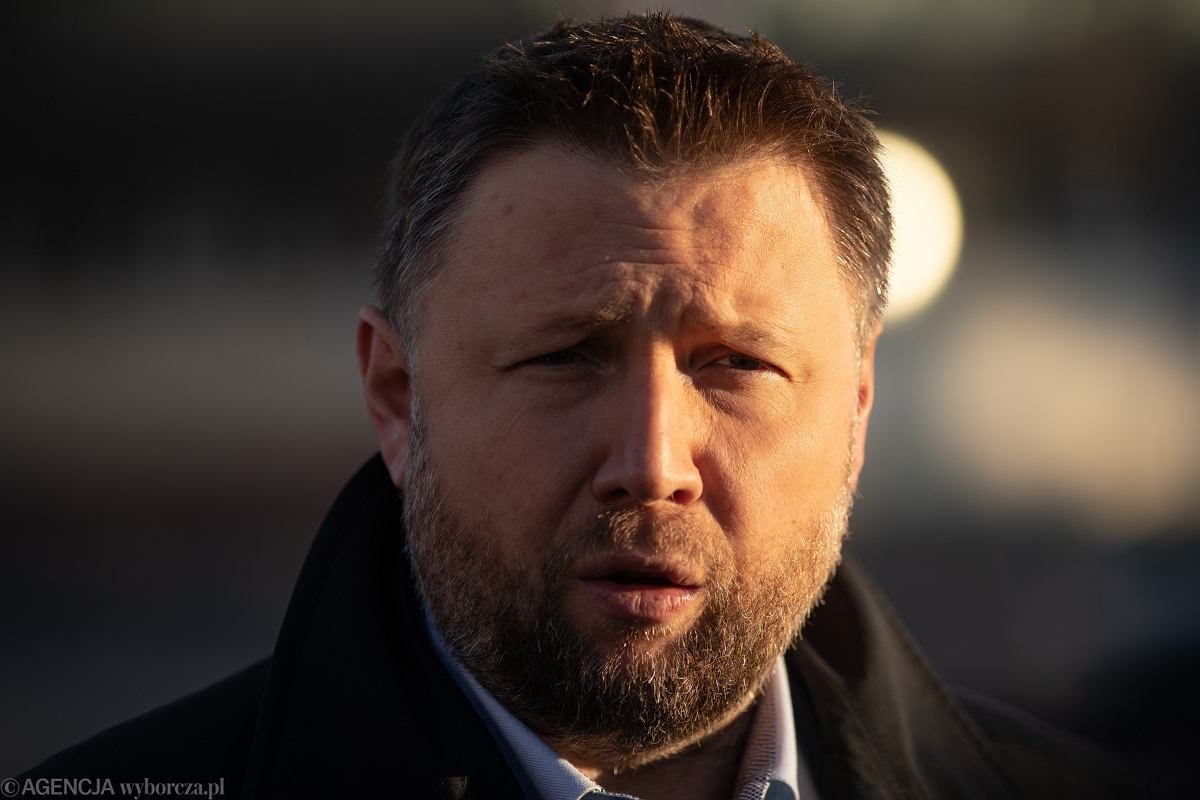
Hours after the killings, Polish Interior Minister Marcin Kierwiński gave public statements in which he classified the gunman as a far-right radical fascinated by ultranationalist ideologies. The assertion quickly gained traction across international media, being repeated as established fact by American lawmakers and European parliamentarians.
However, the investigation on the ground took a different turn. Reporting by local news outlets, including Kronika24, noted that there is no confirmed link between the suspect and nationalist groups or radical political organizations. Friends of the suspect interviewed by Polish media also stated that he had never displayed right-wing convictions.
While the narrative of right-wing radicalism spread abroad, internet users located Facebook profiles attributed to the suspect before they were taken down. The archived content revealed a different orientation from the government's stance. Screenshots showed mockery of Christianity, photos with rainbow flags, and scoffing at the Catholic Church, including satirical images of Pope John Paul II holding a beer bottle and irreverent comments directed at Jesus Christ.
His social media presence reflected an anticlerical stance mixing social provocations with left-wing references. Faced with inconsistency between official statements and public findings, authorities stepped back. Speaking to RMF24 radio, Kierwiński admitted that the far-right claim was merely a first hypothesis, though without formally correcting the record for foreign media outlets that continued disseminating the initial version.
The incident highlighted a recurring contrast in European crisis management. When attackers commit violence while shouting Islamist slogans, officials and international bodies routinely urge public caution, demand lengthy investigations, and warn against hasty conclusions. In Kraków, the speed with which an ideological label was attached before any manifesto or documentary evidence emerged followed the opposite path.
The essential issue is not fitting the perpetrator into partisan categories, but maintaining consistency in official standard. Public authority and press reporting require waiting for verified evidence in criminal proceedings before asserting the motivations behind a tragedy that claimed innocent lives.
The Herald covers what almost no one else does: the persecuted church, the discovery that confirms the Bible, the faith that never makes the evening news. No subscription, no paywall, no outside advertisers. If this story mattered to you, help the next one get written.