On Oct. 28, Lebanese President Joseph Aoun told French lawmakers that there is no danger to the Christian presence in the country. Speaking to a delegation from a parliamentary study group on Eastern Christians, the president cited Lebanon's tradition of Christian-Muslim coexistence and argued that the violence seen in neighboring states would not take hold in Lebanon.
The president's statement contrasts with the daily reality experienced by Christian families. Despite a political power-sharing system that reserves the presidency for a Maronite Christian and divides parliamentary seats equally between Christians and Muslims, daily violence, forced displacement, and economic pressure continue to empty villages and parishes.
Targeted violence and military conflict impact both clergy and laypeople. On Oct. 29, Maronite Father Samir Daou was found murdered by a Syrian worker. Months earlier, Father Pierre al-Rahi was killed in Israeli shelling. In February 2025, Armenian Apostolic Archimandrite Anania Kojanian was killed inside his home.
Civilian casualties continue to mount across the country. Israeli strikes killed dentist James Karam and his children, Tony and Theodosia, alongside Pierre Moawad, his wife Flavia Mourad, and Roula Matar. Political killings, such as those of Pascal Sleiman and Elias Hasrouni of the Lebanese Forces party, and the 2023 death of Fadi Bejjani during a shootout involving Hezbollah gunmen, keep local communities on edge.
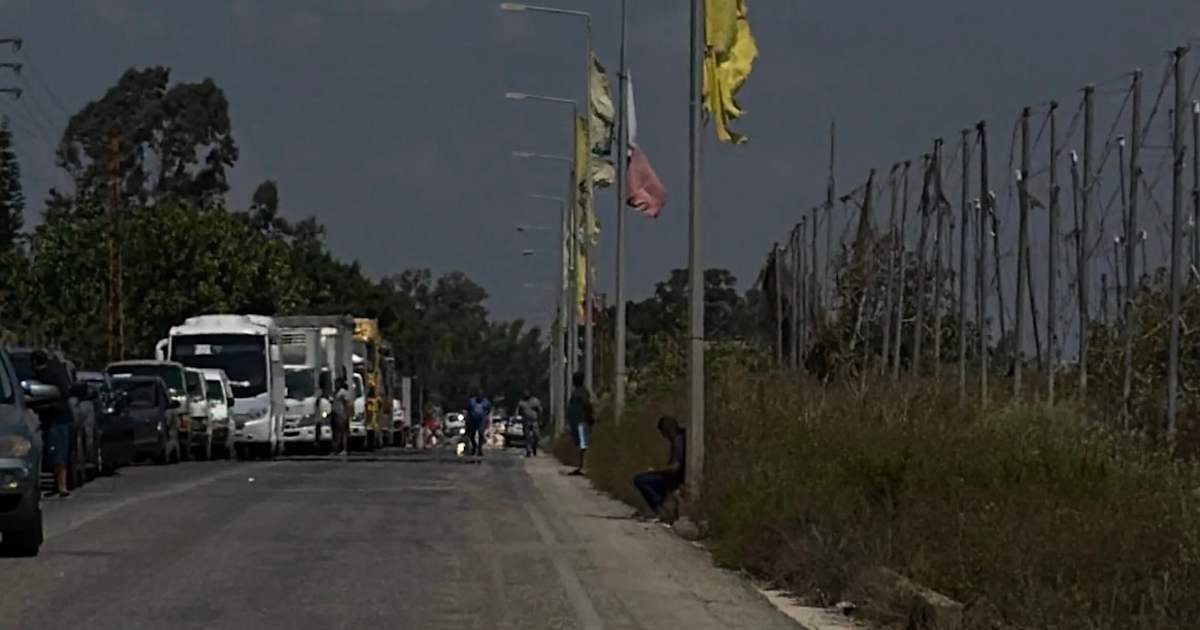
Along the southern border, border villages such as Qawzah, Rmeish, Ain Ebel, and Debel became battlegrounds between Israel and Hezbollah. Father Antonios Hanna of St. Joseph Parish in Qawzah told EWTN News that residents fled after heavy damage to homes and the church structure. Isolated residents in neighboring towns depend on military-coordinated convoys to reach work, hospitals, and universities.
Land pressure and public sector imbalance
Land ownership concerns add to the instability. Maronite Patriarch Bechara Boutros al-Rai warned against the systematic sale of Christian properties, urging owners to hold on to their ancestral roots. Political figures and local media report that financiers linked to Hezbollah have been buying large tracts of land in Christian areas at above-market prices, raising concerns over territorial control.
Institutional representation presents further challenges. While the Lebanese constitution guarantees sectarian parity in top civil service positions, recent appointments indicate significant gaps. According to the newspaper Nidaa al-Watan, only 3 out of 54 trainee accountants appointed in public administration were Christian.
The threat of youth exodus
Economic distress and insecurity accelerate the departure of the younger generation. An Arab Barometer survey found that 58% of Lebanese youth aged 18 to 29 want to leave the country. While emigration affects all communities, the departure of young Christians leaves parishes without young families and local institutions without skilled leadership.
As the psalmist writes in Psalms 121:1-2, the help of the faithful comes from the Lord, yet the human guarantee sought by the community is a state capable of protecting its citizens in daily life. The survival of Lebanon's Christian presence relies on physical security and the defense of their land.
The Herald covers what almost no one else does: the persecuted church, the discovery that confirms the Bible, the faith that never makes the evening news. No subscription, no paywall, no outside advertisers. If this story mattered to you, help the next one get written.