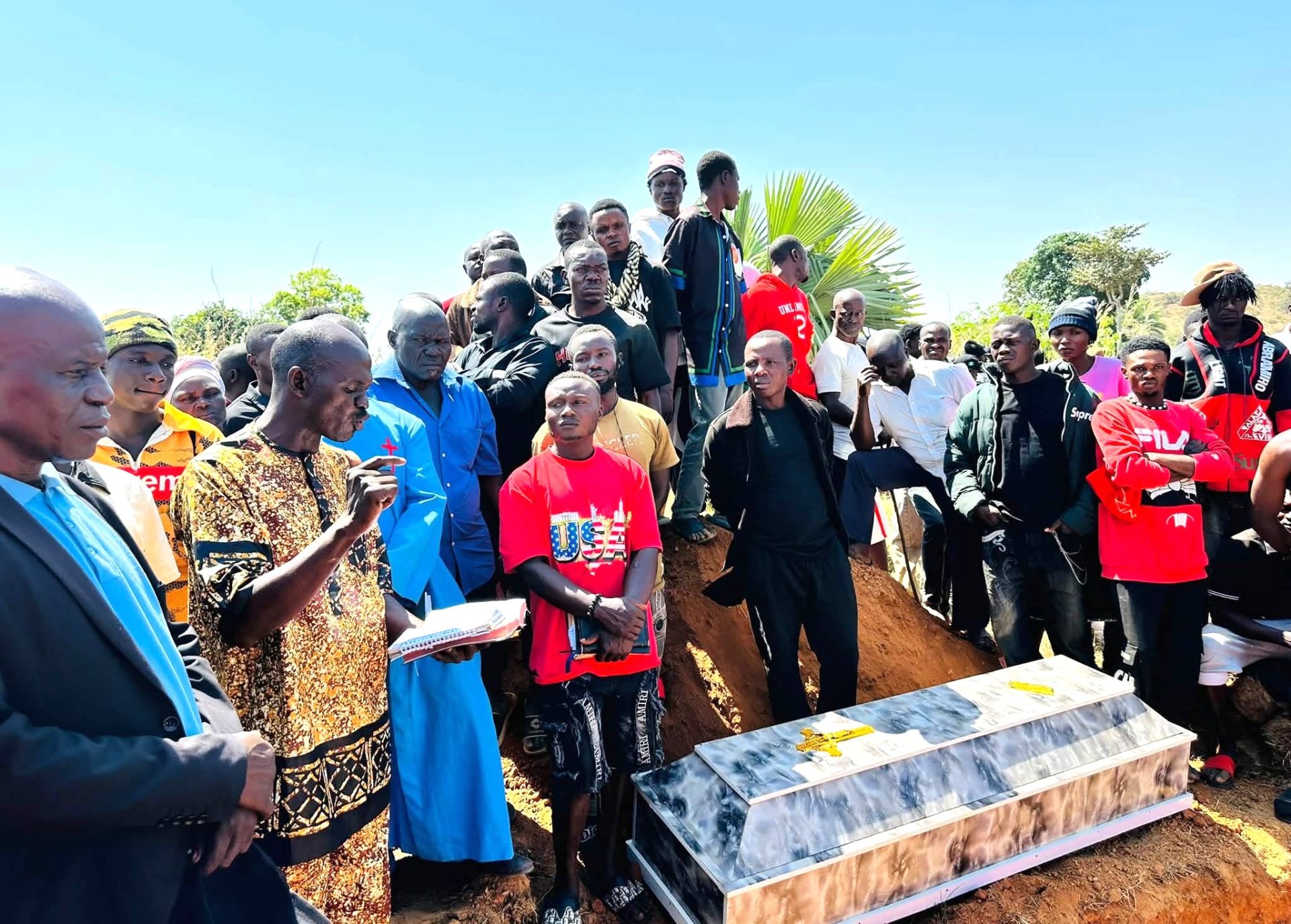
Two young Christian girls kidnapped in Kaduna state, in north-central Nigeria, died shortly after being released by armed captors. Little Silvia Samuel, who turned 4 while in captivity, and 13-year-old Hasana Bulus were released on November 2 alongside three other survivors, but could not recover from the abuse endured during nearly seven months in the bush.
They belonged to a group of 11 Christians abducted on April 20, 2026, from Awon village, Kachia County. According to local residents speaking to Christian Daily International-Morning Star News, a 4-year-old girl and a 13-year-old girl died in early November shortly after being released from captivity held by extremist Fulani gunmen.
The account of the victims illustrates the severity of conditions faced by families in the region. Silvia's mother, Joy Samuel, was pregnant when captured by the assailants. Local resident Rueben Buhari stated that after roughly 90 days in captivity, the woman gave birth in the bush. Her baby was born in the bush and died without help, followed by the mother days later, on August 28, according to details confirmed by Amnesty International in Nigeria.
Young Silvia remained alone under the control of her captors. Others in the group also perished in captivity due to hunger and severe illness, including teenagers Devine, Faith Kefas, and Rachel Bulus, all aged 14, as well as 34-year-old Yusuf Bawa and his 5-year-old son.
Hasana Bulus, 13, was taken to a hospital in Kachia immediately upon release. She passed away on November 3, one day after tasting freedom. Survivors reported daily beatings, starvation, and constant death threats.
How much did the release of survivors cost?
The release of the five survivors occurred only after the community gathered resources to satisfy the captors' demands. Resident Jethro Daniel reported that the handover required a ransom payment of three motorcycles and 2 million naira per freed person, equivalent to approximately $1,482 per hostage.
The ordeal of these families reflects the broader pattern of mass kidnappings in Nigeria's Middle Belt, where armed groups exploit farming villages for financial gain through terror.
Psalm 34:18 states that the Lord is close to the brokenhearted and saves those who are crushed in spirit, a passage cited by local leaders accompanying the grieving families of Awon.
Armed attacks leave victims in Plateau state
As the Kaduna community absorbed the deaths of the children, neighboring Plateau state recorded further killings on November 8. Armed assailants attacked two villages in Riyom and Barkin Ladi counties, leaving five dead and two wounded.
Attorney and community leader Dalyop Solomon Mwantiri reported that 65-year-old Danladi Badung was shot dead around 5 p.m. in Gwol-Hoss village. Two hours later, gunmen raided Bel village in Sho District, killing 15-year-old Emmanuel Pam Dachung, Joseph Gyang, 28, Emmanuel Yohanna, 32, and a military officer stationed in the area.
Among those injured in Bel was 26-year-old Vivian Christopher. She was taken in critical condition to Jos University Teaching Hospital, where surgeons recovered six bullets from the body of a 26-year-old woman during emergency surgery.
Why does Nigeria concentrate violence against Christians?
Data from Open Doors' 2026 World Watch List ranks Nigeria as the deadliest place in the world for Christians. Between October 2024 and September 2025, 3,490 of the 4.849 Christians killed for their faith worldwide were murdered in Nigeria, accounting for 72 percent of the global total.
Violence across Nigeria's Middle Belt involves radicalized Fulani herder militias alongside established jihadist groups such as Boko Haram and Islamic State West Africa Province (ISWAP). Reports from the UK All-Party Parliamentary Group noted that these armed groups systematically subject farming communities to raids, sexual violence, and roadblock killings to forcibly displace residents and impose radical ideology.
The emergence of new heavily armed insurgent groups such as Lakurawa in northwestern Nigeria, linked to Sahelian jihadist networks, continues to heighten security concerns for vulnerable rural populations.
The Herald covers what almost no one else does: the persecuted church, the discovery that confirms the Bible, the faith that never makes the evening news. No subscription, no paywall, no outside advertisers. If this story mattered to you, help the next one get written.