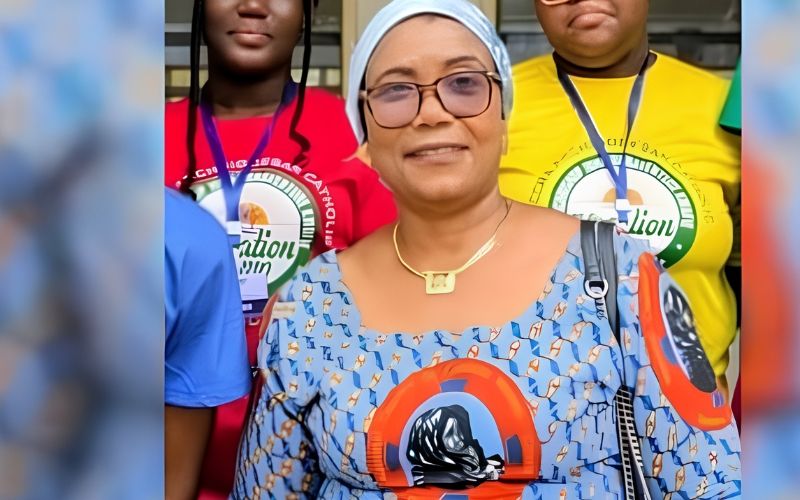
The Accra Archdiocesan Council of Catholic Women (AACCW) in Ghana has issued a public statement demanding that all allegations of child sexual abuse be immediately referred to law enforcement and civil courts. The declaration was reported on November 11, 2026, by ACI Africa in Accra.
In the council's assessment, addressing this issue requires thorough investigations and the application of standard criminal law, with no room for internal or purely administrative procedures. The women leaders emphasized that “Sexual abuse is a crime; not a disciplinary matter” and stressed that child protection is a national duty rooted in justice and human rights.
Council members called for the prompt and professional investigation of all allegations reported across communities, schools, and homes. They stressed that legal proceedings must be conducted impartially, regardless of the alleged perpetrator’s social standing or institutional position within society or the Church.
Demands for police action and an end to internal secrecy
The lay council underscored in its statement that actions aimed at interfering with official investigations cannot be tolerated. The organization called for strict legal consequences for anyone attempting to conceal abuse cases, threaten victims, or tamper with evidence.
According to the archdiocesan council, those who interfere with investigations or threaten witnesses should face legal accountability. The lay leaders reiterated that responding to sexual crimes requires institutions to report allegations without delay to the appropriate civil authorities.
Their central recommendation is that legal procedures established by the state take absolute precedence, ensuring that perpetrators are tried in public criminal courts.
What are Catholic women in Ghana demanding from authorities?
The council submitted specific requests to the Ghana Education Service (GES) and other statutory oversight bodies. The goal is to establish institutional accountability mechanisms that prevent the withholding of information.
The women requested regular, anonymized reports on complaints, investigations, and outcomes conducted in educational and community settings. This measure would allow the public to monitor the effectiveness of safeguarding measures.
They also urged lawmakers and oversight bodies to increase scrutiny over how abuse claims are handled by educational institutions and religious organizations, ensuring confidential medical, psychological, and legal support for survivors.
Full protection for boys, families, and vulnerable children
The statement addressed sexual violence within family settings, explicitly citing incest committed by fathers against their daughters. The council described such actions as severe violations of children's rights, bodily integrity, and personal safety.
The leaders stressed that boys are also vulnerable to sexual violence and must not be overlooked in safeguarding campaigns and policies. This warning aims to prevent cultural barriers from hindering the identification of abuse against male children.
The council also highlighted the plight of abandoned and unaccompanied minors, calling on local child protection services to act decisively for children living in extreme social vulnerability.
This commitment to protecting the vulnerable reflects the Biblical charge regarding the care of the innocent, as expressed in Jesus' warning in Matthew 18:6 concerning the severity of causing a little one to stumble. The lay women of Accra reaffirmed that safeguarding children in homes, schools, and churches remains a shared national responsibility.
The Herald covers what almost no one else does: the persecuted church, the discovery that confirms the Bible, the faith that never makes the evening news. No subscription, no paywall, no outside advertisers. If this story mattered to you, help the next one get written.