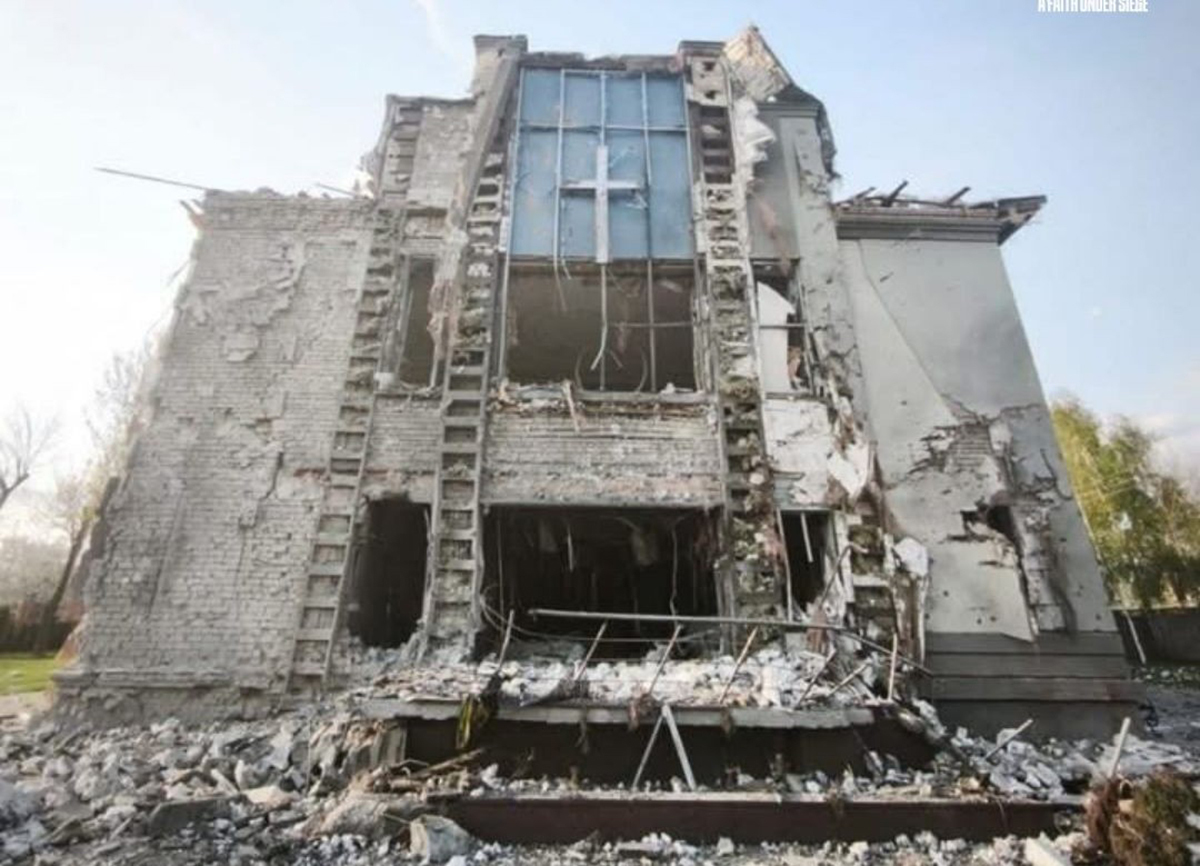
A study conducted by the Razumkov Centre found that the percentage of self-identified Protestants in Ukraine rose from 1.4% in 2023 to 2.6% in 2025. Data published by Evangelical Focus and reported by The Christian Post indicate that this expansion is most pronounced in regions near the frontlines of the military conflict following the 2022 Russian invasion.
Although researchers from the Razumkov Centre noted that active warfare creates methodological challenges for polling, internal figures from Protestant denominations confirm consistent growth in both church membership and new congregations.
Growth confirmed by demographic data and denominations
According to figures from the Ukrainian Baptist Union, more than 10,000 people were baptized among Ukrainian Baptists in the first three years of the Russian invasion. In addition to the increase in believers, the denomination reported that 86 new churches were established by the Baptist denomination during that same period.
Another major group in the country, the Ukrainian Christian Evangelical Church recorded 4,618 baptisms in the year 2023 alone. Denominational leaders noted that spiritual interest was highest in areas located closest to active military engagements.
Public trust in local Christian communities in frontline areas has been largely shaped by how churches behaved during periods of occupation, heavy shelling, and subsequent liberation. The physical presence of pastors and congregation members delivering aid helped build credibility among local residents.
An investigation by Evangelical Focus highlighted key factors enabling congregations to sustain their ministry under wartime conditions. The analysis emphasized that the primary quality of a church leader in wartime is walking alongside the congregation and sharing in their dangers, beyond administrative skills or sermon delivery.
In environments marked by supply shortages and constant physical danger, decisions made by church leaders directly affect the survival of congregation members. One participant told researchers that Christ died for people rather than church programming, adding that treating individuals as the ultimate goal leads members to stay and bring others.
The study also identified organizational resilience as a critical element. In congregations with structured leadership sharing, churches with strong discipleship maintain their work even if they lose their primary leaders or pastors.
The commitment of local believers across war-affected regions aligns with Matthew 5:14-16 regarding the role of the church as a visible light during periods of national trial.
The Herald covers what almost no one else does: the persecuted church, the discovery that confirms the Bible, the faith that never makes the evening news. No subscription, no paywall, no outside advertisers. If this story mattered to you, help the next one get written.