What are the primary artifacts uncovered by archaeology that bear the names of real individuals mentioned in the Bible? Stone monuments, clay cylinders, and reliefs preserved in major world museums provide material records of kings, officials, and nations that cross the pages of the Old and New Testaments.
Discovered in 1993 in northern Israel by teams led by archaeologist Avraham Biran, the Tel Dan Stele is a basalt monument fragment dating to the 9th century BC. The object is on display at the Israel Museum in Jerusalem. The Aramaic inscription contains the famous reference to the "House of David" (BYT DWD), serving as the earliest extra-biblical archaeological record to cite the dynasty of the founder of the kingdom of Judah.
Found in 1879 in the ruins of Babylon by archaeologist Hormuzd Rassam, the Cyrus Cylinder is an Akkadian cuneiform document dating to c. 530 BC. The artifact is currently part of the British Museum's collection in London. The text details the Persian king Cyrus the Great's policy of allowing displaced peoples to return to their homelands and restore their places of worship, a policy reported in the books of Ezra and Nehemiah.
Known from multiple clay prisms discovered starting in 1830 and now divided among the British Museum, the Oriental Institute of Chicago, and the Israel Museum, Sennacherib's Annals date to c. 690 BC. The texts record the Assyrian king's military campaign against Judah and the siege of Jerusalem during the reign of King Hezekiah, corroborating the account in 2 Kings 18-19 and the book of Isaiah.
Discovered in 1846 by Austen Henry Layard in the ancient city of Nimrud and preserved in the British Museum, the Black Obelisk dates to c. 825 BC. Made of black limestone, the monument displays reliefs and inscriptions describing tribute paid to Shalmaneser III, including a kneeling figure identified by scholars as Jehu, king of Israel, or an ambassador of his.
Found in 1868 in Dhiban, Jordan, and currently in the Louvre Museum in Paris, the Mesha Stele is a black basalt block erected by Mesha, king of Moab, around 840 BC. The text recounts the Moabite revolt against the kingdom of Israel after the death of King Ahab, explicitly mentioning the name of Israel and corresponding with events described in 2 Kings 3.
Discovered in 1861 in the Üçtepe region of Turkey and housed in the British Museum, the Kurkh Monolith dates to c. 850 BC. The Assyrian cuneiform inscription describes the Battle of Qarqar and mentions "A-ha-ab-bu Sir-ila-a-a", widely accepted by historians as a direct reference to Ahab, king of Israel.
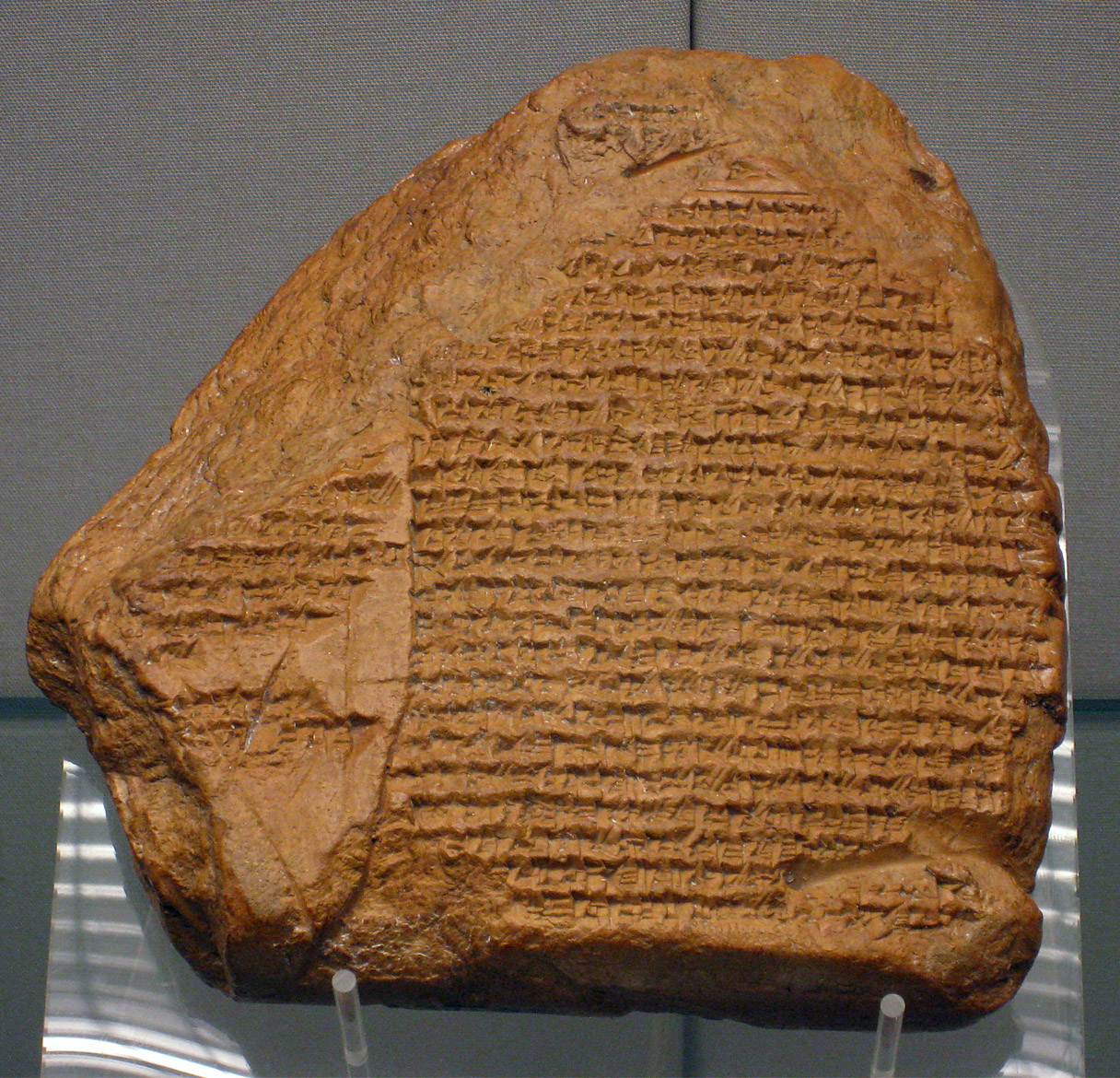
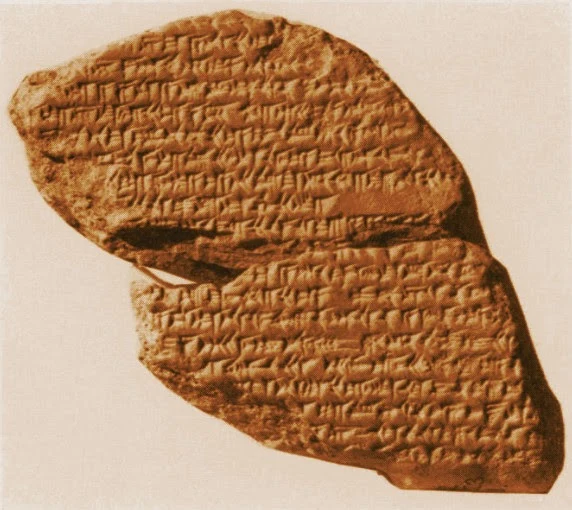
Acquired by the British Museum in 1879 and originating from Sippar, the tablet known as the Nabonidus Chronicle dates from the 4th to 1st century BC. The document describes the fall of Babylon to the Persian Empire and provides relevant historical information regarding the Neo-Babylonian period, complementing the political setting found in the book of Daniel.
Discovered in 1854 in the city of Ur and divided between the British Museum and the Pergamon Museum in Berlin, the Nabonidus Cylinders date to c. 550 BC. The texts record the monarch's reign and mention his eldest son, Belshazzar, a historical figure whose prominent position in Babylon was long questioned by skeptics prior to the archaeological confirmation found in these cylinders.
Recovered in excavations associated with the Library of Ashurbanipal and dating to c. 700 BC, the Azekah Inscription is housed in the British Museum. The Akkadian text relates Sennacherib's military campaign and the capture of the Judean fortress of Azekah, detailing the advance of Assyrian troops described in the biblical chronicles of Kings and Chronicles.
Acquired in 1896 and kept in the British Museum, the Nebuchadnezzar Chronicle documents the early years of the Babylonian king, including the first siege of Jerusalem occurring in 597 BC, an episode that culminated in the exile of prominent Judean leaders to Babylon, as detailed in the book of 2 Kings.
The Herald covers what almost no one else does: the persecuted church, the discovery that confirms the Bible, the faith that never makes the evening news. No subscription, no paywall, no outside advertisers. If this story mattered to you, help the next one get written.