The largest churches in the world by floor area bring together centuries of engineering, sacred art, and monuments that shaped the skyline of major global cities. Measured by rigorous criteria of internal space, these structures express the scale with which different generations raised sanctuaries for Christian worship.
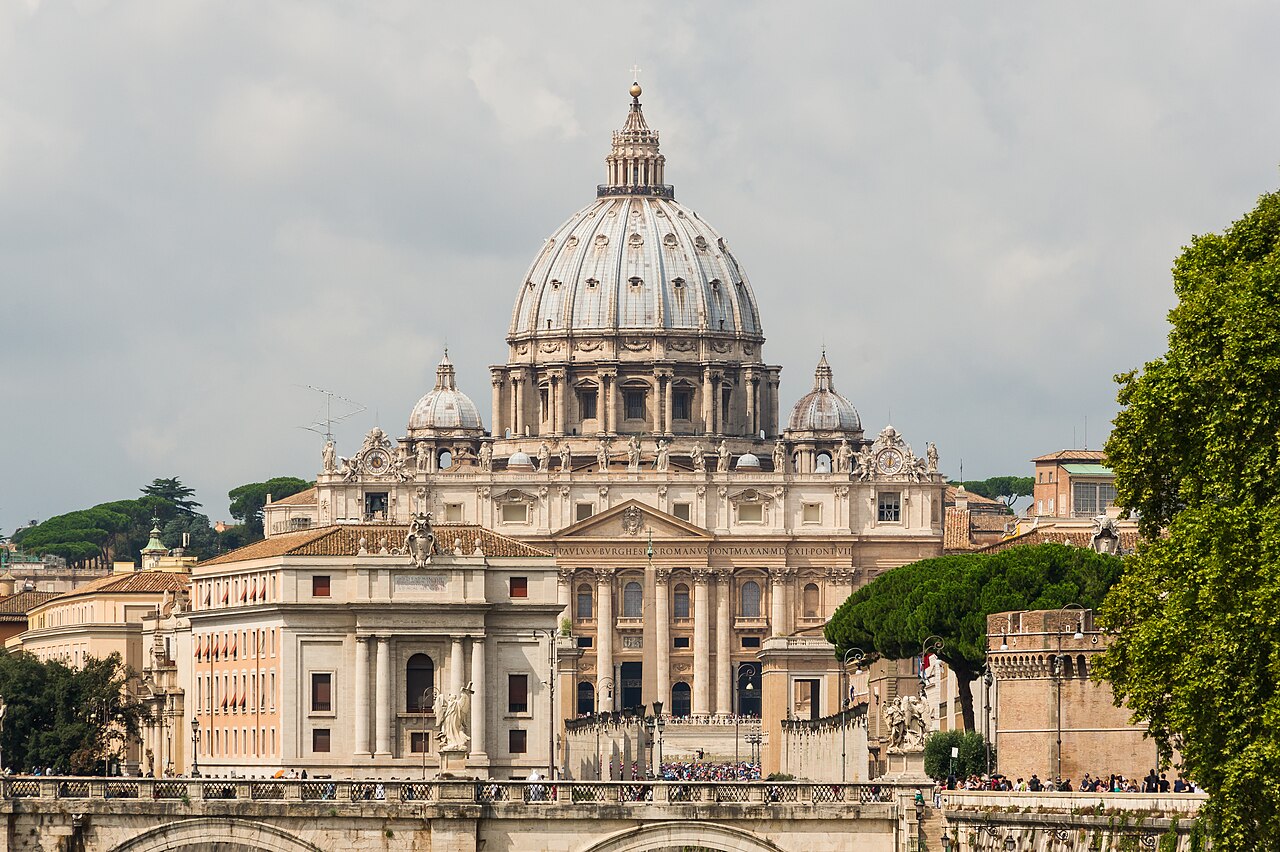
Located in Vatican City, St. Peter's Basilica spans 25,616 square meters of interior area and is widely recognized as the largest church in the world. Construction took place between 1506 and 1626, drawing upon the work of Renaissance masters such as Michelangelo, who designed the monumental dome. The temple holds tens of thousands of worshippers and preserves centuries of Western sacred architectural history.
Situated in Aparecida, in the state of São Paulo, Brazil's principal basilica ranks second globally with 25,000 square meters of interior floor space. Erected between 1955 and 1980 in a modern style with strong monumental inspiration, the church was designed to welcome crowds of pilgrims visiting the shrine annually, accommodating tens of thousands inside.
Encompassing 13,000 square meters of interior area, the temple located in Spain preserves much of its original Islamic-era architecture begun in 785, and today operates as the Catholic cathedral of the Diocese of Córdoba. The building displays a singular fusion of bicolored arches and Christian structure integrated across centuries until 1607.
Known as the Duomo, the Italian cathedral in Lombardy features 11,700 square meters of interior space and took nearly six centuries to complete, between 1386 and 1965. The grandiose Gothic facade is crowned by thousands of marble statues and the famous golden statue of the Virgin Mary at its highest point.
Located in Spain, this imposing Gothic structure presents more than 11,520 square meters of interior area. Built between 1401 and 1528 over the foundations of a former mosque and an earlier Visigothic church destroyed in the 8th century, the temple stands out as the largest Gothic cathedral in the world.
Erected in Poland between 1994 and 2004, the Polish basilica accounts for 23,000 square meters of floor area, ranking among the largest pilgrimage centers in Central Europe. Its grand design combines monumental proportions and a tower reaching over 140 meters in height within the shrine complex.
Situated in New York City, United States, the Episcopal cathedral possesses 11,241 square meters of interior area. The ambitious project, begun in 1892, remains formally unfinished, uniting elements of Romanesque and Gothic revival architecture within one of North America's largest religious structures.
In England, the Anglican cathedral built between 1904 and 1978 covers 9,687 square meters of interior space. Designed by architect Giles Gilbert Scott, it is recognized as one of the longest cathedrals in the world and a milestone of British Gothic revival architecture.
Located at the Sanctuary of Fátima in Portugal, the basilica inaugurated between 2004 and 2007 features 8,700 square meters of interior space. The modern temple was designed by Greek architect Alexandros Tombazis to accommodate thousands of seated pilgrims within a vast nave free of intermediate columns.
Situated in Rome, Italy, the historic basilica possesses 8,515 square meters of interior area. Rebuilt between 1825 and 1929 following a devastating fire that destroyed the original 4th-century structure, the temple maintains the classical early Christian basilican plan with marble colonnades and golden mosaics.
The Herald covers what almost no one else does: the persecuted church, the discovery that confirms the Bible, the faith that never makes the evening news. No subscription, no paywall, no outside advertisers. If this story mattered to you, help the next one get written.