US Bill seeks to ban Nigerian government from hiring paid lobbyists in Washington over Christian persecution
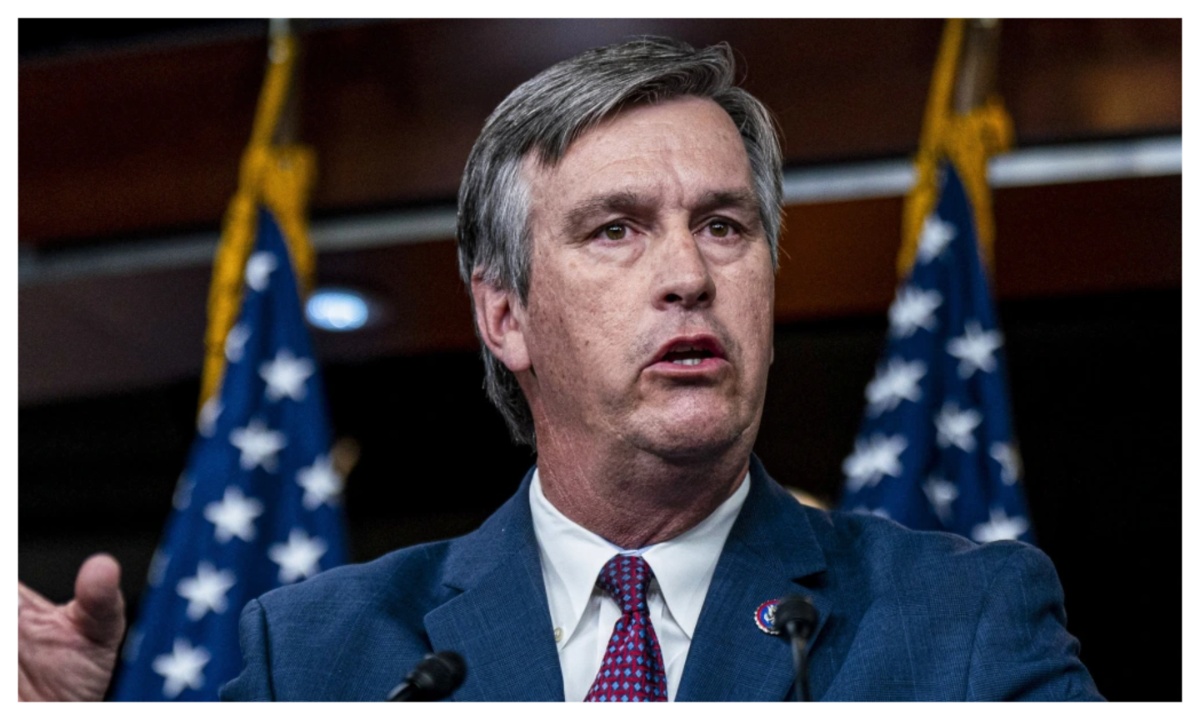
Representative Barry Moore introduced H.R. 10939 to sanction American firms receiving funds from Abuja while Nigeria remains on the religious freedom watch list.
In the corridors of Washington, where multimillion-dollar contracts shape the public image of foreign governments, a new legislative proposal aims to disrupt the flow of funds spent by Nigeria to manage its international reputation. US Representative Barry Moore introduced bill H.R. 10939 to ban compensated lobbying in the United States on behalf of the Nigerian government. The measure stipulates that no firm or individual on American soil may receive payments to represent Abuja's official interests as long as the African nation remains designated as a Country of Particular Concern regarding religious freedom.
The legislative initiative comes amid growing pressure in the US Congress regarding frequent violent attacks faced by Christian communities in Nigeria. As reported by Daily Post Nigeria, the lawmaker accuses Nigerian authorities of deploying substantial sums in the American capital to deflect criticism regarding the state's inability or unwillingness to halt massacres carried out by armed groups.
Direct sanctions on public relations firms on American soil
The text of the bill establishes severe penalties for any public relations or political consulting firm that continues providing paid services to Nigerian authorities. If passed, bill H.R. 10939 will make it illegal for US entities to accept fees from Abuja while the Country of Particular Concern designation remains active. The prohibition extends to individual consultants and agencies headquartered within the United States.
According to details published by Naija News, the lawmaker's strategy is designed to halt the spending of Nigerian public resources on Washington image campaigns. In an official statement, Moore emphasized that the US political system should not be utilized to mask realities of sectarian violence in Africa.
"For too long, the Nigerian government has paid high-priced lobbyists in Washington to cover up the persecution of Christians while doing little to stop it. This bill will end that," the congressman stated when outlining the goals of the legislative text.
Nigeria's return to the Country of Particular Concern list
Nigeria's re-designation as a Country of Particular Concern by the US Department of State occurred in 2025, following reports pointing to severe and systematic failures to protect religious freedom. The designation as a Country of Particular Concern reflects the official assessment that the state fails to protect religious minorities from devastating attacks by extremist groups.
The classification imposes strict oversight on diplomatic and commercial relations between the two nations. Historically, inclusion in this diplomatic framework opens avenues for economic sanctions, military assistance restrictions, and mandatory periodic reporting on human rights and religious freedom benchmarks.
International security experts point out that violence in Nigeria's Middle Belt and northern regions involves complex aggression by factions such as Boko Haram, the Islamic State West Africa Province, and armed militias targeting predominantly Christian farming villages, displacing thousands of families from their ancestral lands.
The impact of diplomatic actions on protecting affected communities
The effort to block lobbying contracts in Washington reopens the debate over government accountability during severe humanitarian crises. In passages such as Hebrews 13:3, Scripture urges believers to remember those who are mistreated as if suffering with them. Mobilization around this issue aims to ensure that victim accounts are not obscured by institutional campaigns.
The bill has been formally referred to the House Committee on Foreign Affairs for detailed review and initial legislative consideration. The committee will evaluate the diplomatic impact of the proposed sanctions and the legal framework governing political representation contracts in the nation's capital.
As the legislation advances through Congressional committees, US lawmakers are expected to hear testimony from human rights experts and local community leaders. The process for bill H.R. 10939 will continue over the coming months before heading to the full House floor for a vote.
Representative Barry Moore introduced H.R. 10939 in the US Congress.
The bill prohibits US citizens and entities from receiving compensation to lobby for the Nigerian government while Nigeria is listed as a Country of Particular Concern (CPC).
Nigeria was re-designated as a CPC by the US State Department in 2025.
The bill was referred to the House Committee on Foreign Affairs.
What we don't know yet
The exact schedule for votes on the bill in the House Committee on Foreign Affairs.
Whether the bill will gather sufficient support in the US Senate if passed by the House.
How the Nigerian government will officially react if the bill is signed into law.