US Lawmakers Demand Firmer Action to Stop Persecution as Nigeria Fatalities Surge Near 4,400
Congressional subcommittee presses the State Department over slow progress and rising violence against Christian communities in West Africa.
Mercy Herald staff3 min read
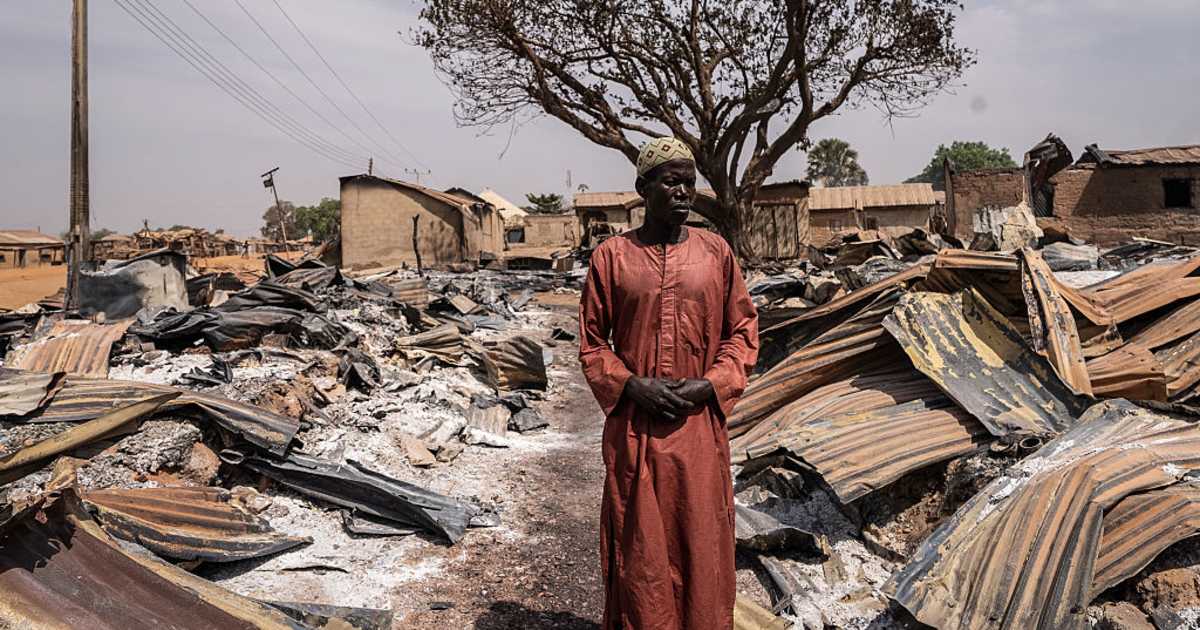
A resident stands among burnt debris and damaged homes following the attack in Woro, Kwara State, Nigeria, on Feb. 5, 2026. | Credit: Light Oriye Tamunotonye/AFP via Getty Images Photo: EWTN News (aguardando autorização)
Violent fatalities in Nigeria surged 37% during the first half of 2026, reaching 4,435 victims despite a minor drop in overall security incidents. The rising death toll prompted American lawmakers to publicly challenge the pace of efforts by both the United States and the Nigerian government to stop targeted attacks against Christian communities. During the first half of 2026, fatalities in Nigeria rose by 37%, totaling 4,435 victims in violent attacks, according to the Nigeria Risk Index.
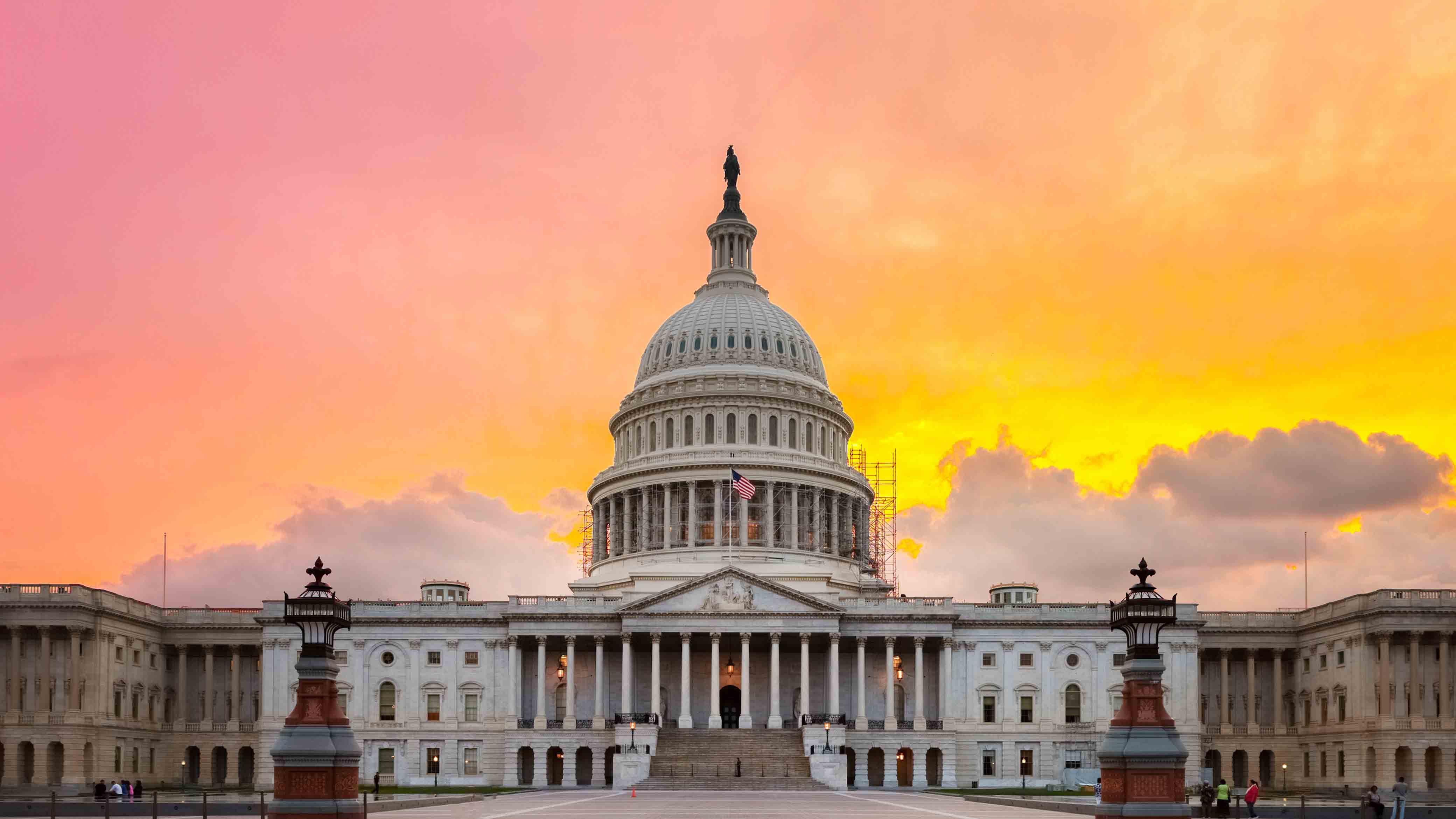
The debate took place on November 12 during a hearing held by the U.S. House Foreign Affairs Subcommittee on Africa in Washington. Representative Bill Huizenga pressed State Department assistant secretaries Frank Garcia and Riley Barnes on the real-world impact of American diplomatic steps. "Has any real work been done?" Huizenga asked during the session.
The subcommittee convened to review the situation one year after President Donald Trump designated Nigeria as a Country of Particular Concern regarding religious freedom. Human rights organizations estimate that .
more than 6,000 Christians have been killed or abducted in the country throughout 2026
Armed Militias and Extremist Violence in Rural Areas
U.S. officials acknowledged that much of the violence targeting farming villages stems from armed Fulani Ethnic Militias alongside terror groups such as Boko Haram and Islamic State West Africa Province. Witnesses report perpetrators using religious language during attacks, specifically targeting Christians for killing and abduction, Assistant Secretary Riley Barnes testified.
Representative Chris Smith, chairman of the subcommittee, told Catholic News Agency that the official designation is only the starting point for accountability. Christians are disproportionately being slaughtered and abducted in Nigeria, Smith said, adding that the perpetrators act out of radicalized hostility.
Nina Shea, director of the Center for Religious Freedom at the Hudson Institute, stressed the severe dual threat facing local believers. Christians face both the extreme violence of Fulani militias and the failure of successive Nigerian governments to protect them, Shea stated in her testimony.
Bilateral counterterrorism operations between the U.S. and Nigeria have produced notable tactical results, including the elimination of senior Islamic State commander Abu-Bilal al-Minuki and the arrest of suspected terror leader Mahmoud Adam. American agencies are also working with Nigerian authorities to dismantle financial channels that supply militant groups.
However, Representative Riley Moore pointed out that tactical victories have not secured rural areas. Definitive success means an end to the murder of our brothers and sisters in Christ and the safe return of displaced families, Moore declared, stressing that current conditions fall short of those goals.
In testimony submitted to the panel, Oge Onubogu, director of the Africa Program at the Center for Strategic and International Studies, noted that infrastructural deficits worsen the vulnerability of remote villages. Poor roads and weak local law enforcement often prevent security forces from responding when communities send early warning signals.
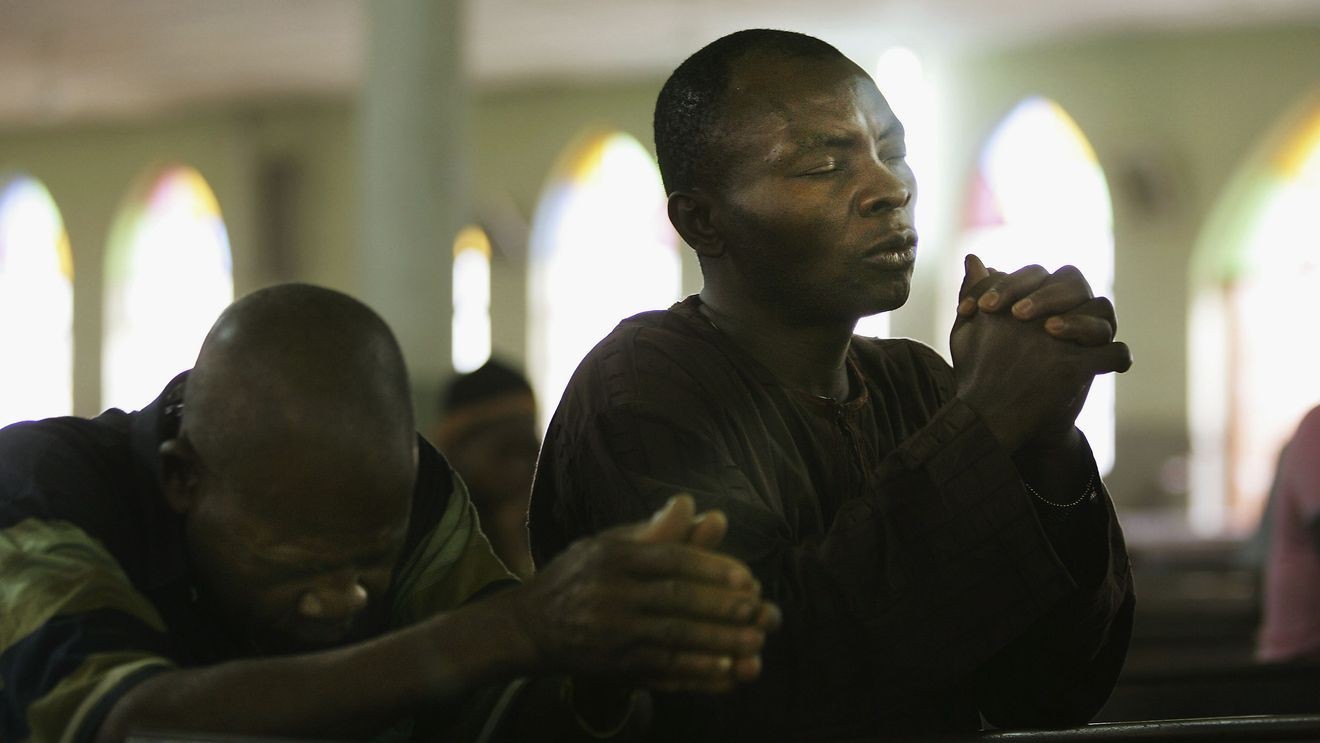
The biblical response to the suffering of fellow believers is framed in Scripture, which calls the church to solidarity in Hebrews 13:3. The passage urges believers to remember those in prison and those who are mistreated as if suffering with them.
Annual review of the Country of Particular Concern designation requires the executive branch to assess whether conditions improve. Congressional leaders continue to urge Nigeria to repeal blasphemy laws and deploy reliable police forces to safeguard Christian farming communities in the Middle Belt.
The Herald covers what almost no one else does: the persecuted church, the discovery that confirms the Bible, the faith that never makes the evening news. No subscription, no paywall, no outside advertisers. If this story mattered to you, help the next one get written.