British Pro-Life Advocate to Stand Trial for Silently Praying Near Abortion Clinic
Isabel Vaughan-Spruce faces five criminal charges after a judge in Birmingham rejected a motion to dismiss the case.
By Nikolai Witoszynski2 min read
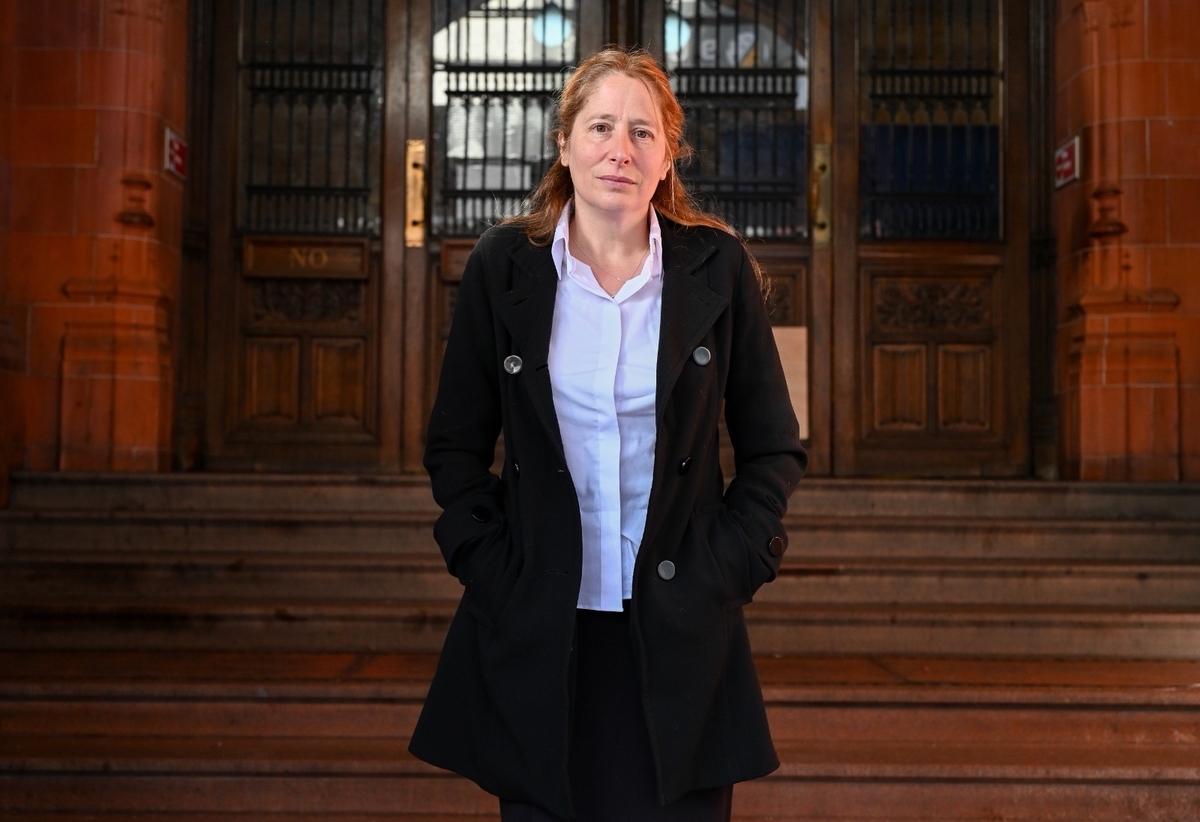
Isabel Vaughan-Spruce will go to trial in England in January 2027, accused of violating a "buffer zone" at an abortion clinic. Courtesy of ADF International Photo: The Epoch Times (aguardando autorização)
Catholic pro-life advocate Isabel Vaughan-Spruce, 49, will face a criminal trial from January 25 to 29, 2027, for praying silently near an abortion facility in Birmingham, England. Deputy Senior District Judge Tan Ikram issued the ruling at Birmingham Magistrates’ Court after denying a defense motion to drop the charges.
She faces five counts under Section 9 of the Public Order Act 2023, a national law establishing 150-meter (492-foot) restricted zones around abortion clinics in England and Wales. The charges stem from five separate dates in 2025 when she stood silently outside the Robert Clinic.
"My criminal prosecution for alleged 'thoughtcrime' is clear evidence of the UK's censorship crisis," Vaughan-Spruce said in a statement released by ADF International. She has pleaded not guilty to all charges, maintaining that she was exercising her right to pray in her mind without obstructing or engaging anyone.
Nationwide buffer zones took effect in October 2024, outlawing any activity intended or reckless as to influencing decisions regarding abortion services within the designated perimeter. Individuals convicted under the law face up to six months in prison and unlimited financial fines.
Official government guidance acknowledges that silent prayer may fall under the prohibition, depending on prosecutor evaluations of specific cases. Attorney Jeremiah Igunnubole of ADF International, a former UK Crown prosecutor, said authorities are applying a two-tier legal standard that targets Christians for their private thoughts on public streets.
The January trial will examine whether standing silently in a public space while holding known pro-life convictions satisfies the legal criteria for a criminal offense.
Previous arrests and the police compensation settlement
This case is not the first legal battle Vaughan-Spruce has faced over silent prayer. Officers first arrested her in December 2022 under a local municipal order in Birmingham. A court acquitted her in February 2023 after prosecutors offered no evidence.
Weeks later, police arrested her a second time at the exact same location. Authorities eventually dropped that investigation without pressing charges.
In August 2024, West Midlands Police paid £13,000 in compensation to Vaughan-Spruce to settle a civil claim alleging unlawful arrest and breach of rights. The police department paid the settlement without admitting formal legal liability.
Implications for religious freedom
Despite the previous settlement, prosecutors brought new criminal charges under the 2023 national legislation. The five current counts cover incidents logged on June 13, July 2, July 23, October 6, and November 6, 2025.
Free speech advocates argue that criminalizing silent mental prayer sets a dangerous precedent for freedom of conscience across Western nations. Government officials argue the restrictions are required to protect access to facility services.
When facing public pressure over religious practice, Scripture records the apostles' response in Acts 4:19, where Peter and John stated: "Which is right in God's sight, to listen to you, or to him? You be the judges." The Birmingham trial will determine whether silent street prayer can be treated as a crime in the UK.
The Herald covers what almost no one else does: the persecuted church, the discovery that confirms the Bible, the faith that never makes the evening news. No subscription, no paywall, no outside advertisers. If this story mattered to you, help the next one get written.