Pakistan Supreme Court Upholds Death Sentence for Christian Qaiser Ayub Over Blasphemy Charges
Imprisoned for 12 years over a blog he says he never created, the father of three becomes the first Christian to have a execution order confirmed by the top court.
Pakistan’s Supreme Court has upheld the death sentence by hanging for 49-year-old Christian Qaiser Ayub, who was accused of publishing blasphemous content online. The ruling came on October 7, 2026, when judges acquitted his younger brother, Amoon Ayub, for lack of evidence, but sent Qaiser to death row.
This marks the first time in Pakistan’s history that the Supreme Court has upheld a death sentence in a blasphemy case. Until now, the top court had routinely overturned capital convictions under the blasphemy law, most notably acquitting Catholic mother Asia Bibi in October 2018.
Qaiser Ayub, a computer science graduate and father of three, has been held in prison since November 2014 over articles and images posted on a WordPress blog. Authorities charged him under Section 295-C of Pakistan’s Penal Code, which mandates the death penalty or life imprisonment for defiling the name of the Prophet Muhammad.
Ayub’s defense team asserts that investigators conflated two separate websites. Ayub managed a legitimate site for his organization, United Christians Organization Pakistan, which contained no offensive material. The allegedly blasphemous blog was created by an unknown third party on a WordPress subdomain using Ayub's contact details without his permission.
Shaheryar Gill, an attorney with the American Center for Law and Justice (ACLJ) whose affiliate in Pakistan represents Ayub, noted that police forensic reports failed to establish ownership of the blog. Gill stated that Pakistani investigators wrote to WordPress seeking author details but received no reply, and that forensic records show files were altered on a seized computer while Ayub was already in police custody.
Why the Ruling Sets a Dangerous Precedent for Minorities
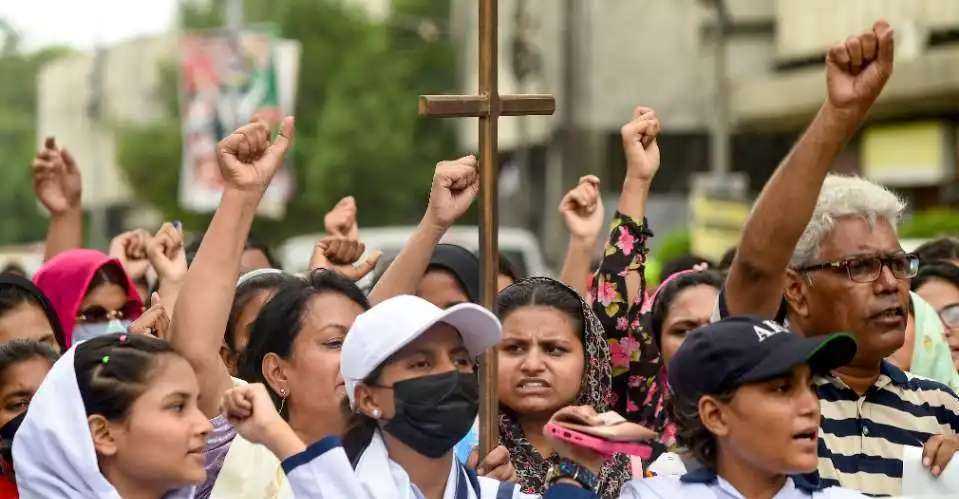
The decision has sent shockwaves through Pakistan’s Christian minority and legal defense groups. For four decades, the Supreme Court served as a crucial safeguard against unsubstantiated convictions issued by lower courts operating under pressure from extremist groups.
Human rights observers report that lawyers and judges regularly face intimidation and violence during blasphemy proceedings in Pakistani courtrooms. In 2011, Federal Minister for Minorities Affairs Shahbaz Bhatti, a Christian, and Punjab Governor Salmaan Taseer were both assassinated after advocating for reforms to the country's blasphemy laws.
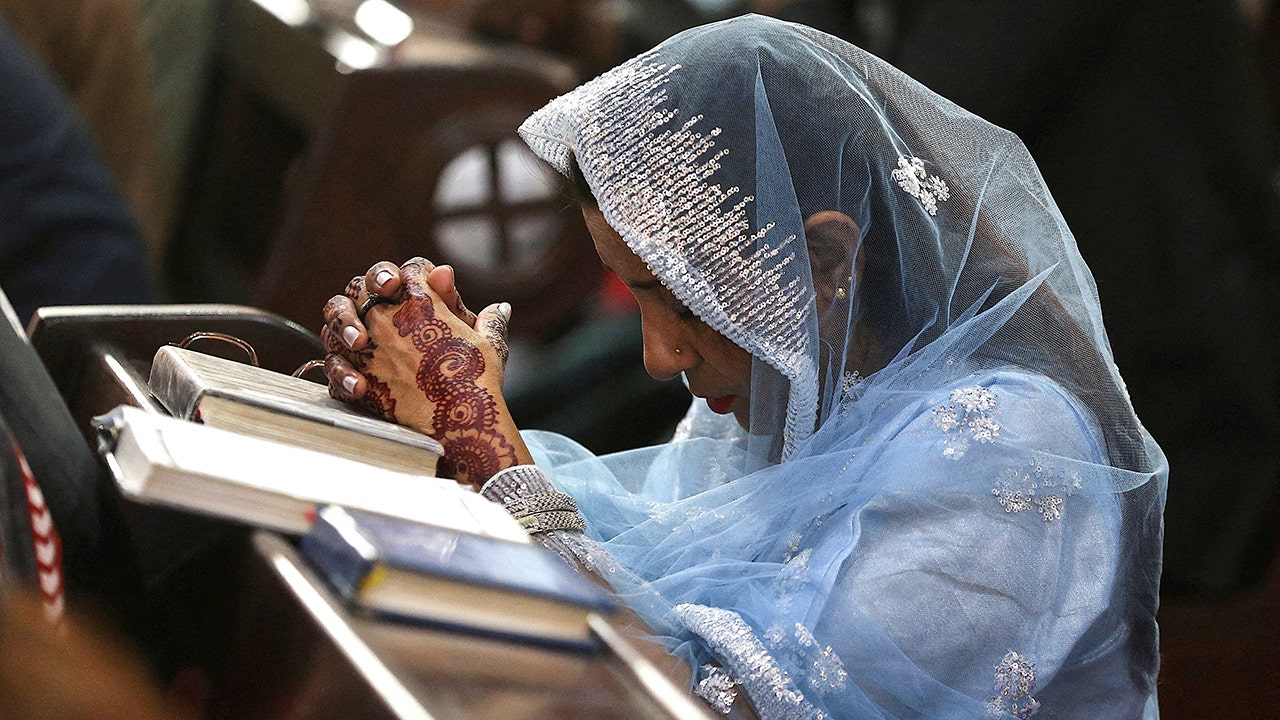
Christian brothers split by Pakistan ruling: one freed, one faces death Photo: Fox News
What Legal Options Remain for Qaiser Ayub?
Ayub’s legal team has filed a constitutional review petition with the Supreme Court under Article 188 of Pakistan’s Constitution. Lawyers contend that the court applied flawed logic by using the same set of digital evidence to exonerate one brother while sentencing the other to execution.
Internationally, legal advocates have submitted an urgent request to the United Nations Office of the High Commissioner for Human Rights. The filing asks UN Special Rapporteur Morris Tidball-Binz to intervene directly with the Pakistani government, while a petition for a presidential pardon is also being submitted.
Scripture reminds believers in John 15:20 of the words of Jesus: "If they persecuted me, they will also persecute you." Other Christians, including Shahzad Masih and Ahsan Masih, remain on death row in Pakistan under similar charges as attorneys fight to halt Ayub's impending execution.
The Herald covers what almost no one else does: the persecuted church, the discovery that confirms the Bible, the faith that never makes the evening news. No subscription, no paywall, no outside advertisers. If this story mattered to you, help the next one get written.