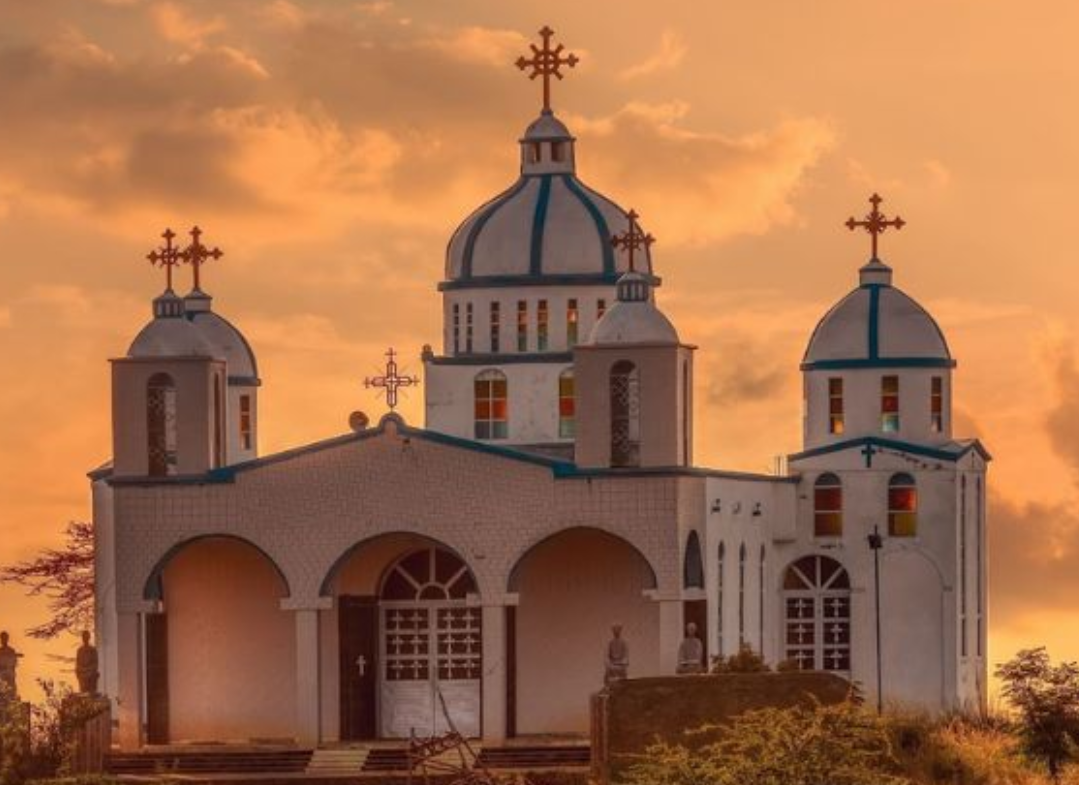
A Christian resident traveled to the village of Tereta Chole to help load the wounded onto an Isuzu truck and attend funerals immediately following the violence in Ethiopia. More than 60 Ethiopian Orthodox Tewahedo Christians were killed in a series of targeted attacks between October 20 and 24, 2026, in the Oromia region, prompting religious leaders to demand urgent government intervention.
According to an official statement issued by the Holy Synod of the Ethiopian Orthodox Tewahedo Church, the initial assault took place on October 20 in Merti District, leaving 14 people dead in Gora Silingo. Four days later, on October 24, a second assault across three villages in Shirka District resulted in 46 deaths. Assailants utilized firearms and knives while raiding rural farming communities in the Arsi Zone, located roughly 120 miles south of Addis Ababa.
The Ethiopian Orthodox Tewahedo Church's Holy Synod said attacks against Christians had been increasing and criticized the lack of an effective response to repeated concerns about insecurity. persecution.org
Eyewitness accounts revealed that local communities were caught completely unprepared for the violence. A resident whose 75-year-old father was killed described the incident as a coordinated ambush. “We were completely unprepared and had no prior knowledge, they surrounded us from all four directions,” he told BBC Amharic. Among those killed in the assaults were five children.
The violence also left more than 20 people severely injured, requiring hospital treatment, and destroyed 20 residential homes burned to the ground. A church official described the Shirka District assault as a massacre, stating that security forces arrived on the scene but were unable to halt the assailants. Faced with the terror, numerous residents abandoned their homes to seek refuge in churches located in neighboring villages.
Church leadership response and pattern of violence
During a plenary assembly in Addis Ababa, bishops condemned the killings as a reprehensible and inhumane deed. The Synod declared that such actions violate constitutional rights to religious freedom and life, while undermining national values of peaceful coexistence. In response to the tragedy, church leadership ordered memorial prayer services across all monasteries and denominations worldwide.
The escalation of violence is not an isolated occurrence within the Arsi Zone. In July, the Ethiopian Human Rights Council documented hundreds of killings over a four-year period in the eastern portion of the zone, pointing to religious and ethnic identities as driving factors behind the unrest. Catholic bishops in the country also expressed solidarity, emphasizing that ongoing armed conflicts generate only suffering and lasting division.
Disputed responsibility and Ethiopia's political landscape
Responsibility for the killings remained central to an ongoing political dispute. Oromia's regional government blamed a newly formed rebel coalition known as the Alliance for Survival, which includes the Oromo Liberation Army, alleging that the group intended to provoke religious conflict. Regional authorities provided no evidence to support the accusation, while a source linked to the rebel alliance denied involvement and pointed the finger back at state forces.
The Oromo Liberation Army, which advocates for greater rights for the Oromo people, has consistently denied targeting civilians in past incidents. Meanwhile, the nation faces persistent tensions nearly four years after the 2022 Pretoria peace agreement, with renewed fighting involving various armed factions across multiple regions, creating a deeply unstable environment for faith communities.